Pisa Tickets


See Pisa’s finest treasures at the Opera del Duomo Museum

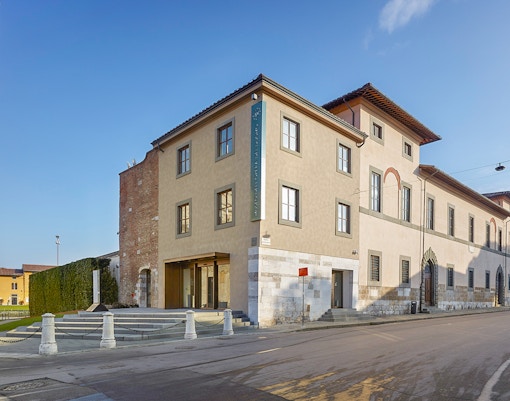
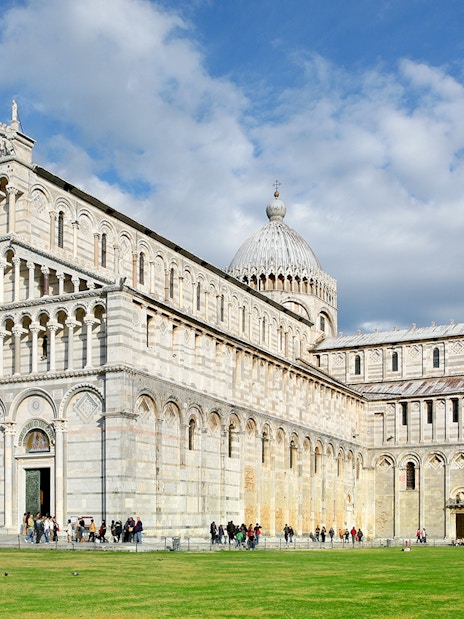
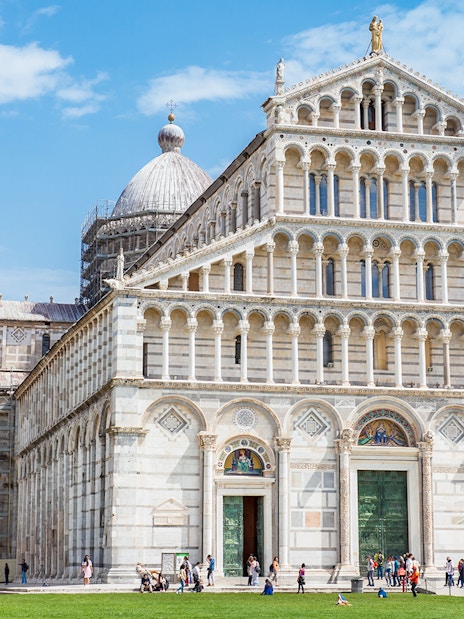
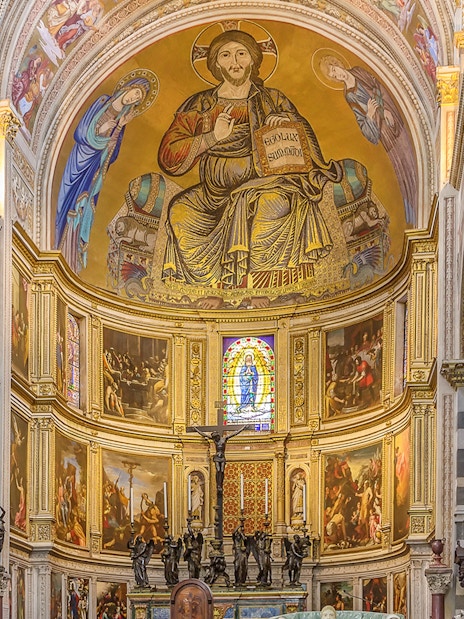
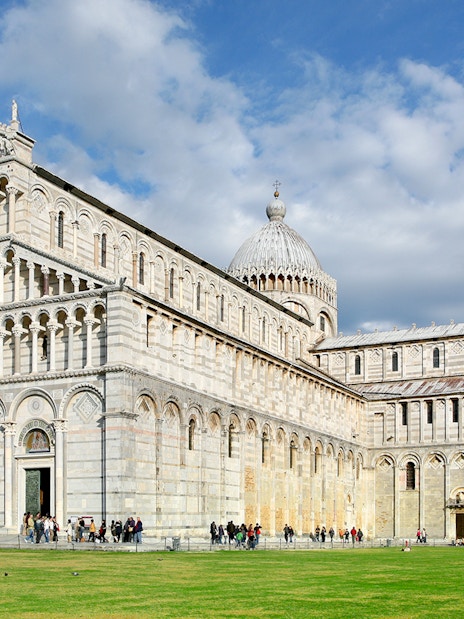
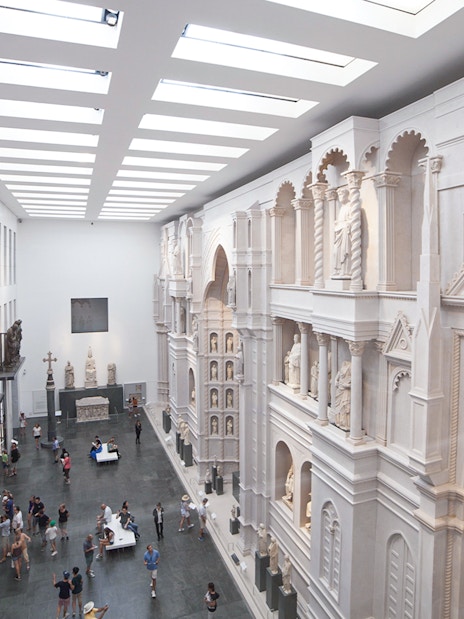
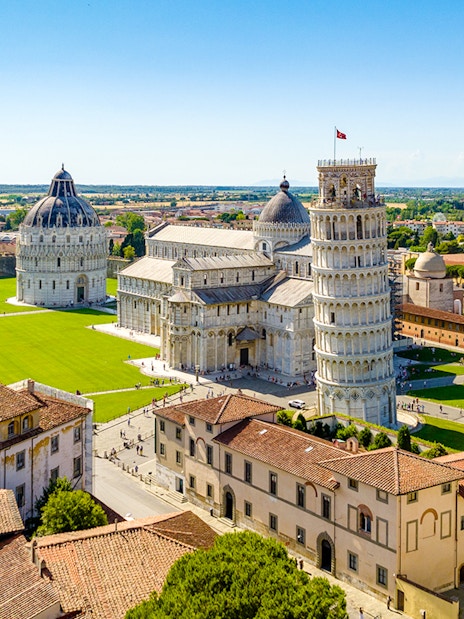
The Opera del Duomo Museum is a quiet spot just behind the Cathedral. Housed in a former convent, it displays original sculptures, frescoes, and relics from the Pisa Cathedral complex. It’s a peaceful place to explore the art and history that once filled the Square of Miracles.

How to access the museum?

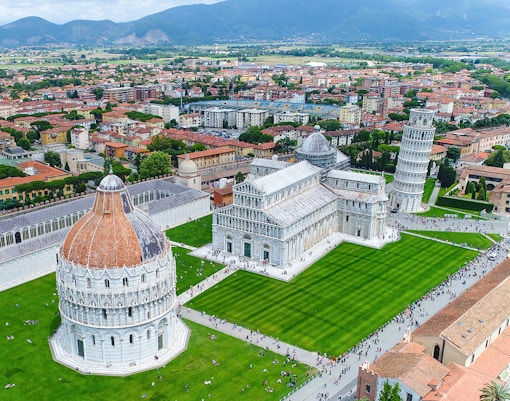
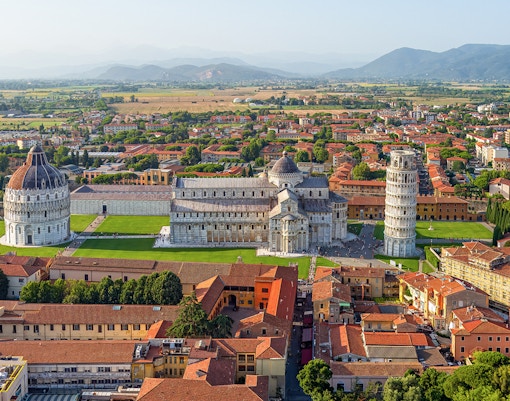
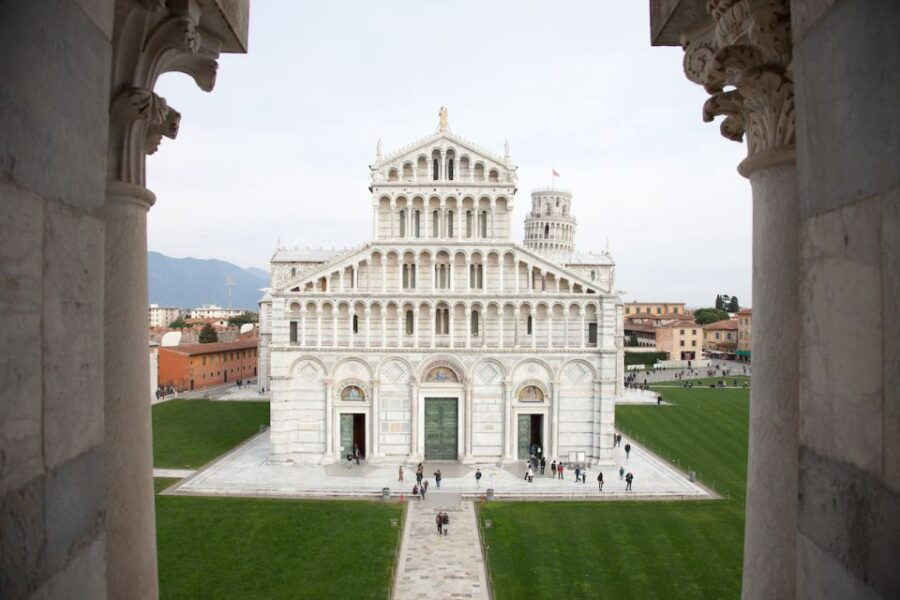
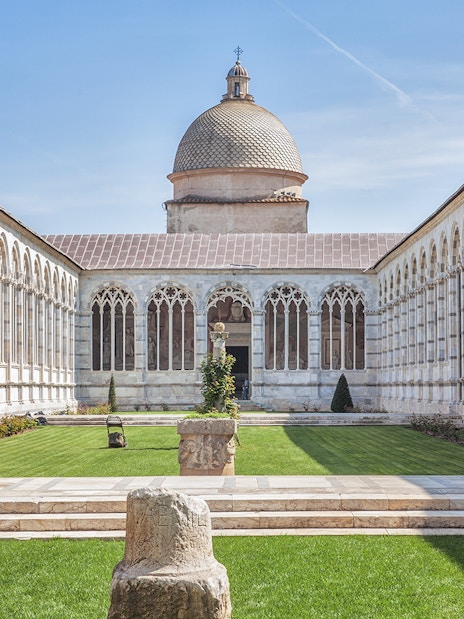
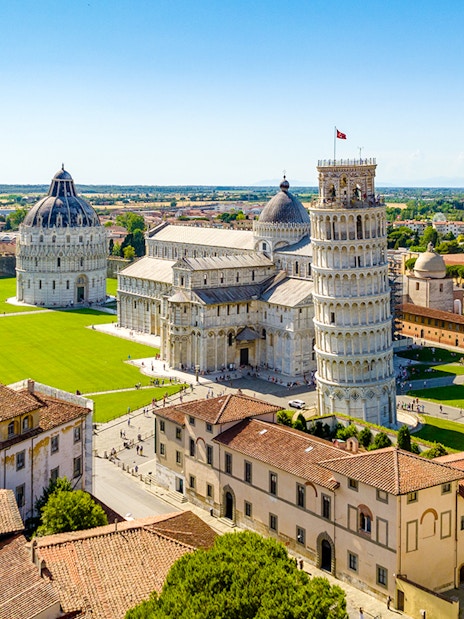
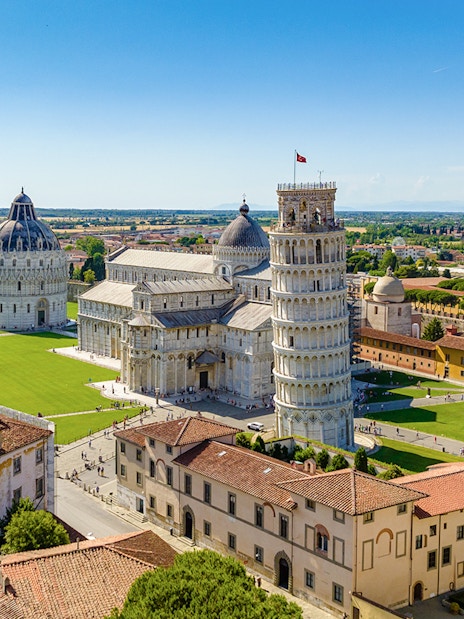
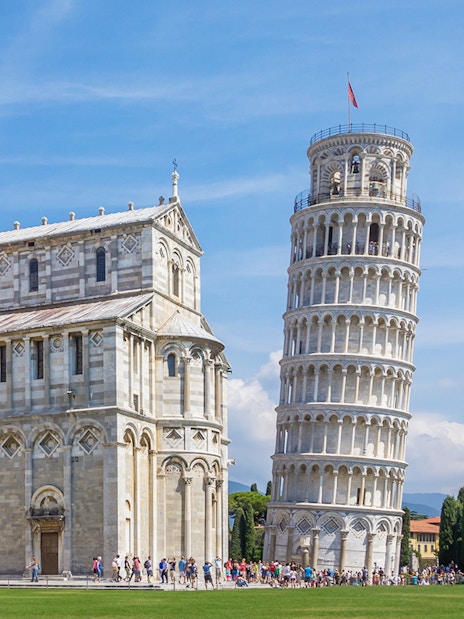
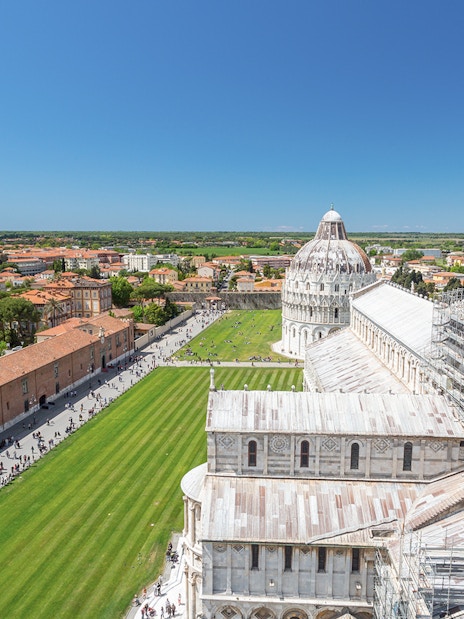
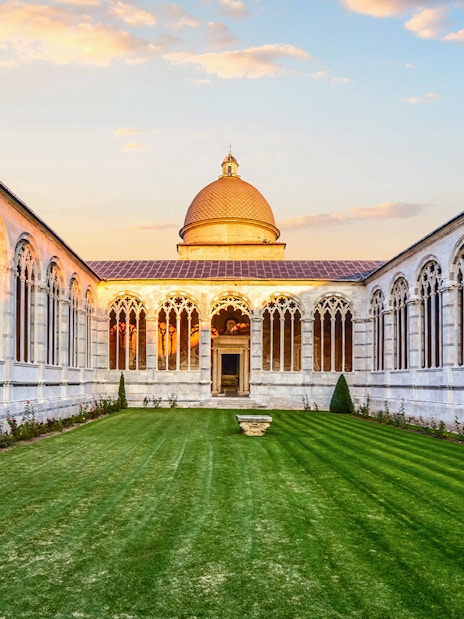
The museum is located on the southern edge of Piazza dei Miracoli, just behind the Cathedral and opposite the Camposanto.
Access to the Opera del Duomo Museum is not automatically included in all Leaning Tower of Pisa tickets; you will have to specifically purchase those tickets that offer entry to the Opera del Duomo Museum.

Things to know before booking Opera del Duomo tickets

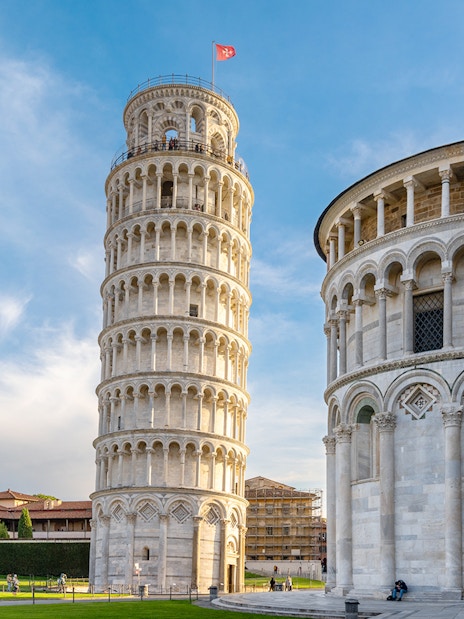
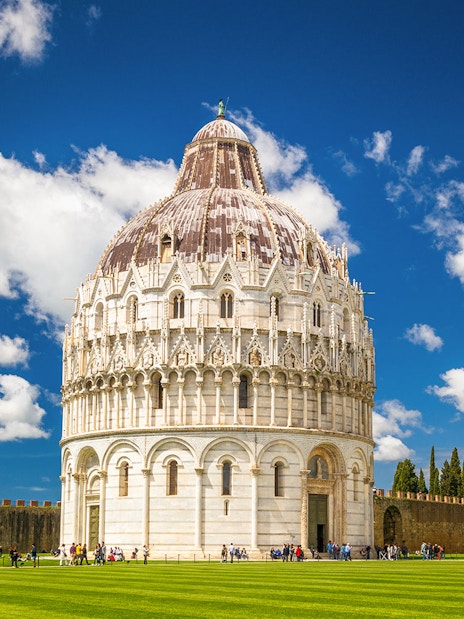
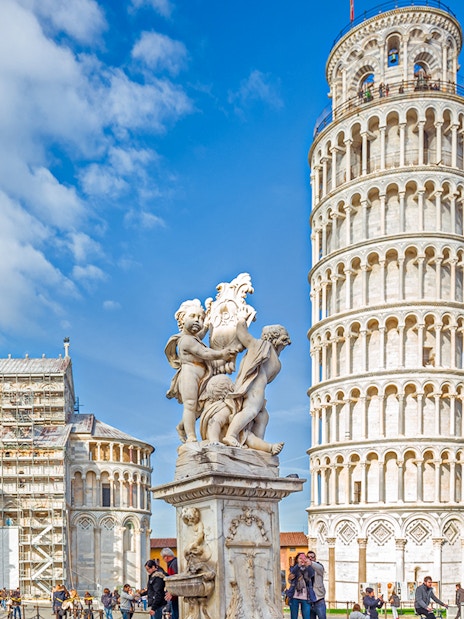
  • The standard tickets to the Opera del Duomo Museum come bundled with access to other iconic sites in the Pisa Complex, like the Leaning Tower, Cathedral, Baptistery, and Camposanto, giving you one easy ticket to explore them all at your own pace, without the need for separate bookings.
  • The museum expanded in 1986 to showcase artworks beyond the Square’s monuments. With a multilingual audio guide, you’ll better navigate the new galleries and uncover how each artwork found its place here.
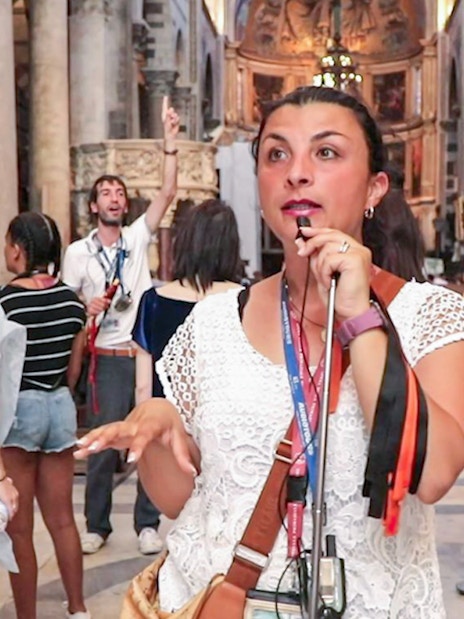
  • The religious edifices of the Pisa Complex—the Cathedral and Baptistery—have dedicated exhibits in the museum, featuring original furnishings and busts from their facades. Alongside there are overseas artworks that shed light on the evolution of Pisan art. Upgrade your guided tour to explore the museum with a local expert who helps connect the dots, offering valuable insight into the significance of these pieces and how they collectively shape Pisa’s artistic legacy.
  • Built to house treasures from the Square’s sacred buildings, the museum holds the artistic thread that ties them together. A small group guided walking tour of the Pisa Complex lets you appreciate it from outside and understand the museum’s deeper significance in context to the grand sites surrounding it, all in a crowd-free setting with no more than 15 guests.
  • During the winter months (October to March), the Opera del Duomo Museum's operating hours vary slightly from the Tower's. It is open daily from 9am to 6pm, with the last admission at 5:30pm. Please note that hours may vary on Sundays and religious holidays. It's advisable to check the official schedule before your visit, especially in winter when times may change.
  • The museum is generally accessible, though some areas have uneven floors due to the historic nature of the building.
  • Entry is free for children under 11, and there's typically little to no wait time compared to the Tower.

Opera del Duomo Museum in a nutshell

Your Opera del Duomo Museum ticket types explained

Entry to Opera del Duomo Museum is not always included with all valid admission tickets to the Leaning Tower of Pisa. Here's a breakdown of the ticketing options available for you:

What's to see inside the museum

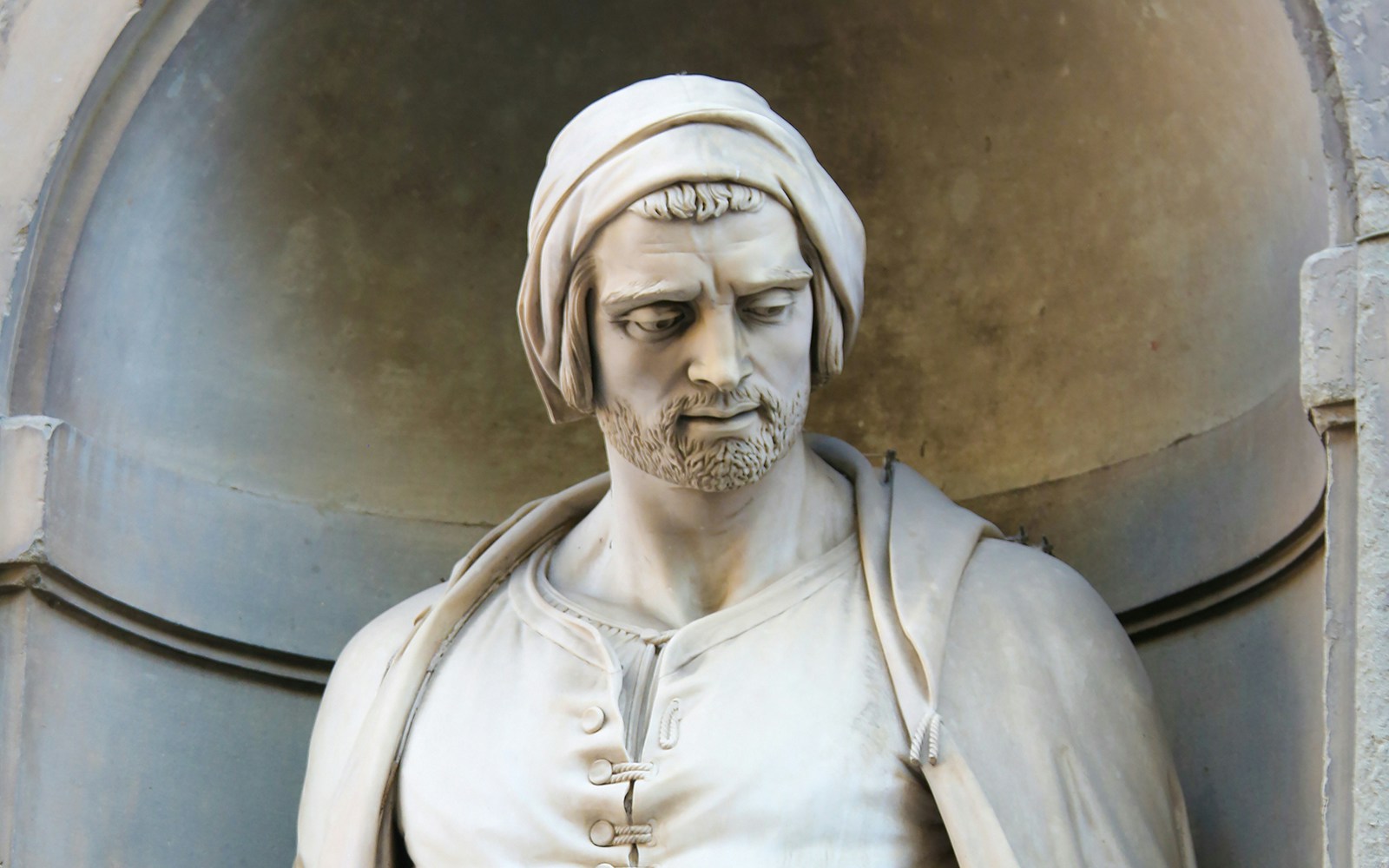
Statue of Nicola Pisano in an architectural niche, showcasing detailed craftsmanship.
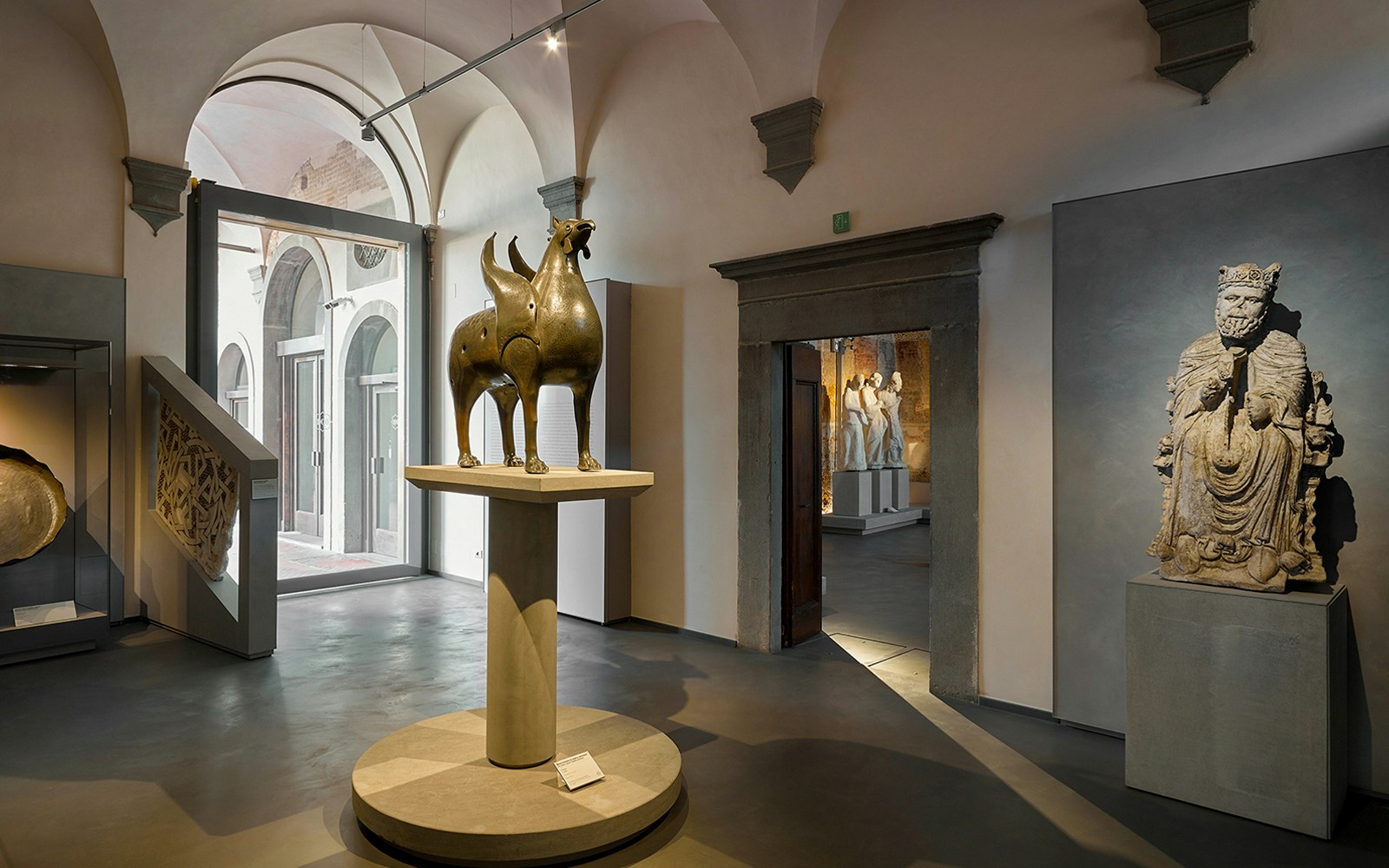
Sculptures displayed at Opera del Duomo Museum in Pisa, featuring a bronze griffin and stone figures.
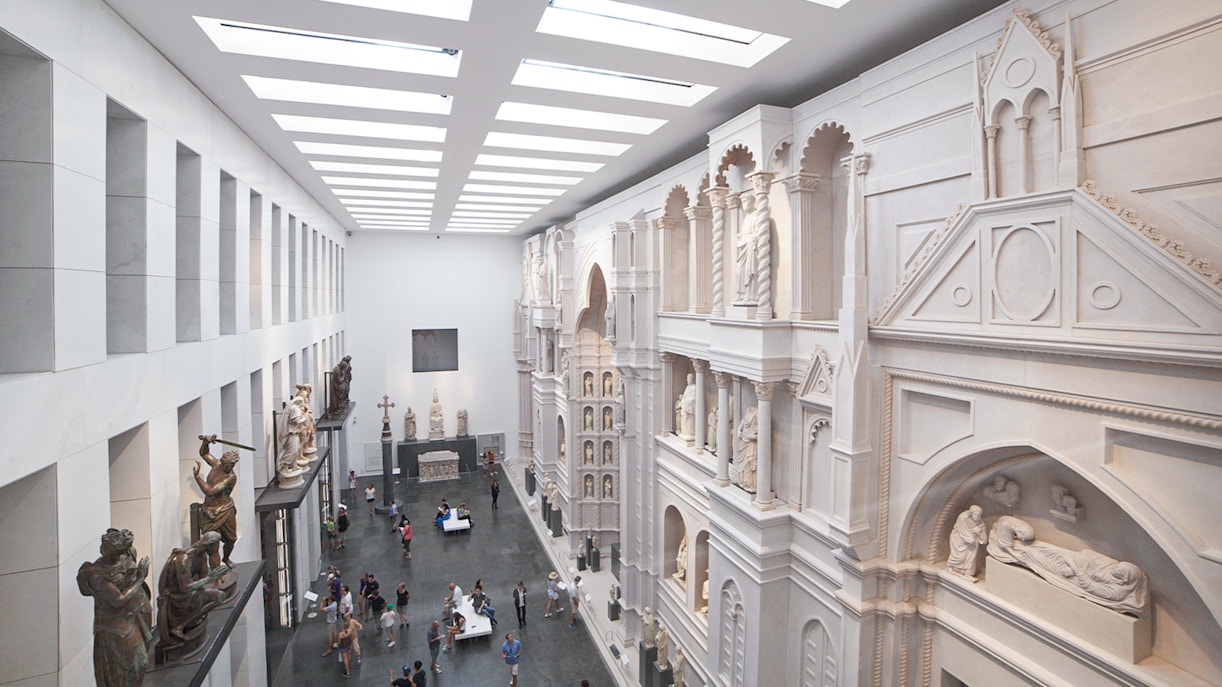
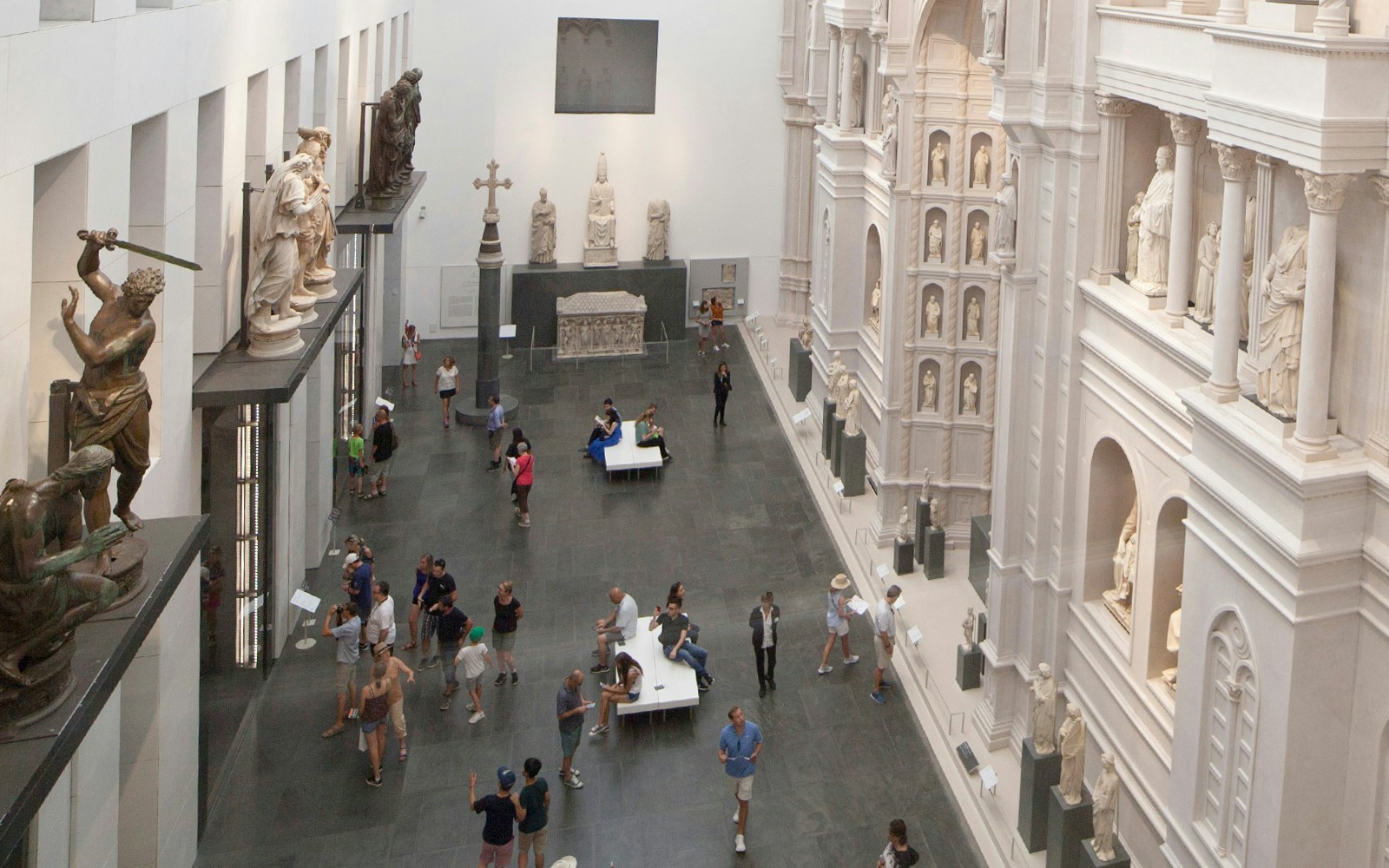
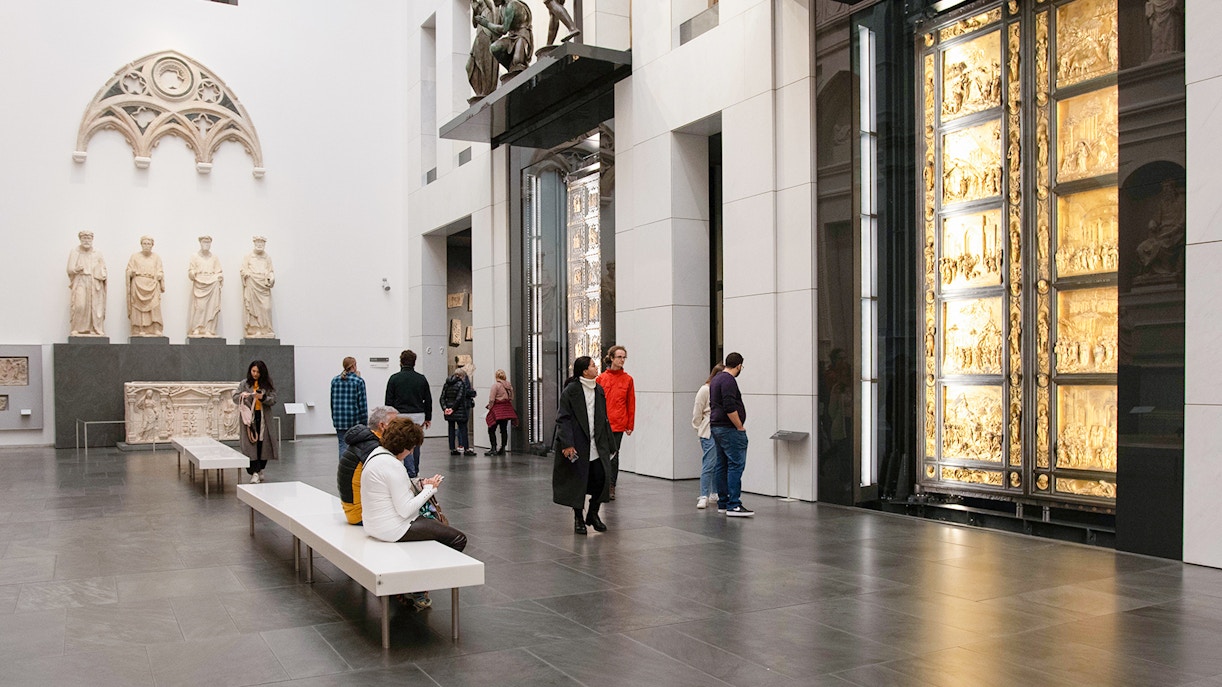
Sculpture Gallery at Opera del Duomo Museum, Florence, with visitors exploring statues.
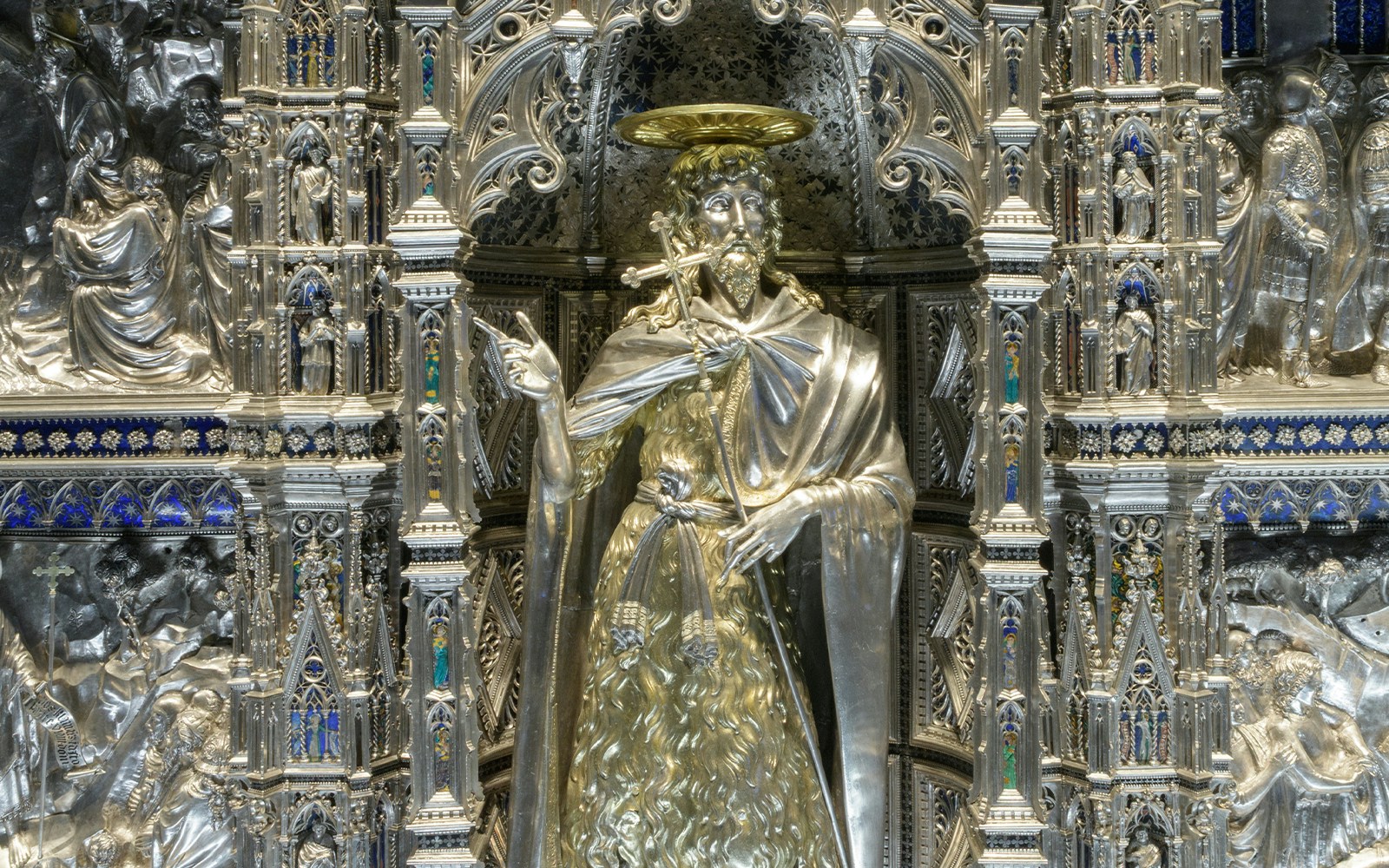
Alt text: "Detail of Saint John sculpture on Altare Argenteo di San Giovanni, Museo dell'Opera del Duomo.
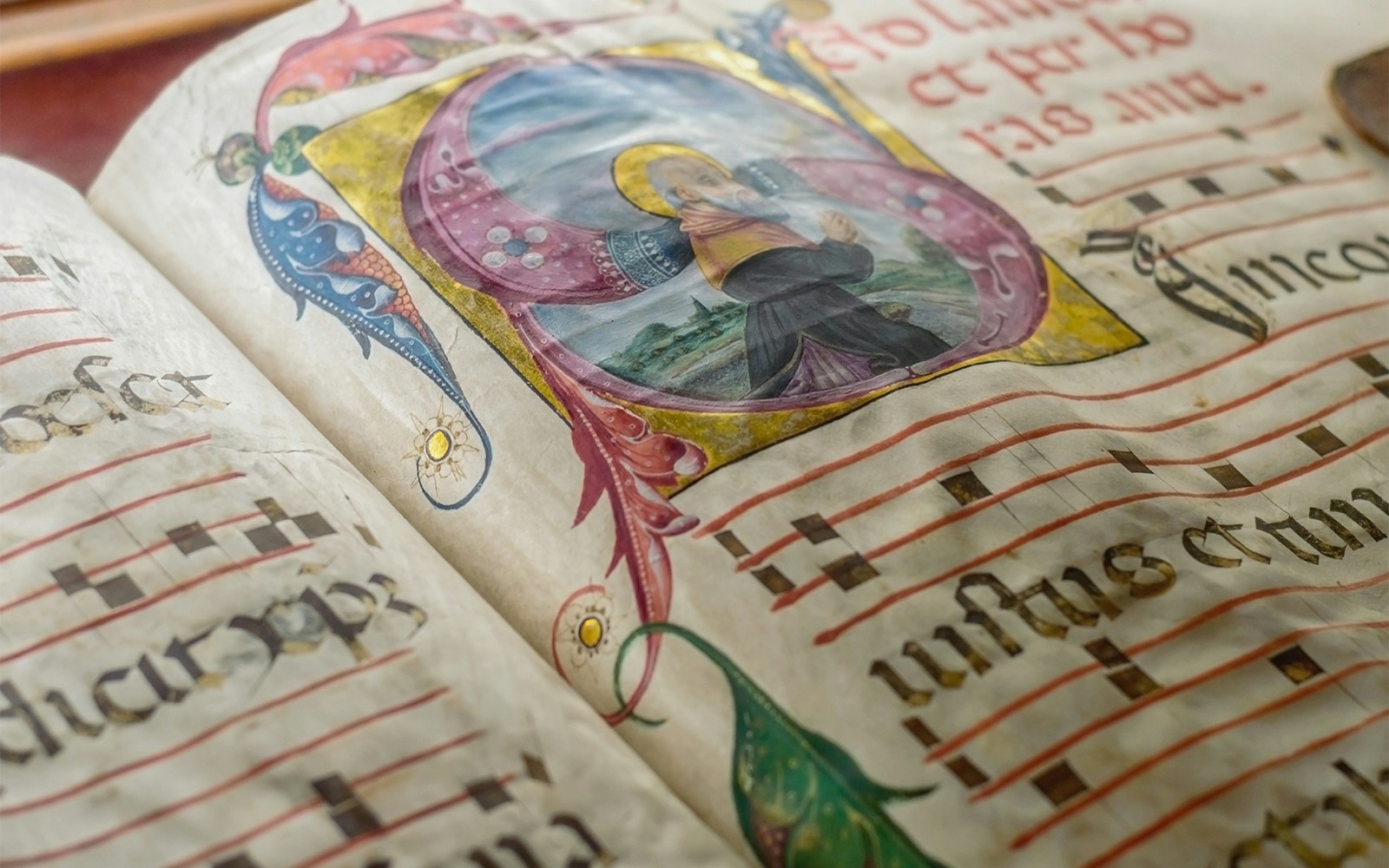
Illuminated choir book with ornate medieval illustrations and musical notations.
1/5

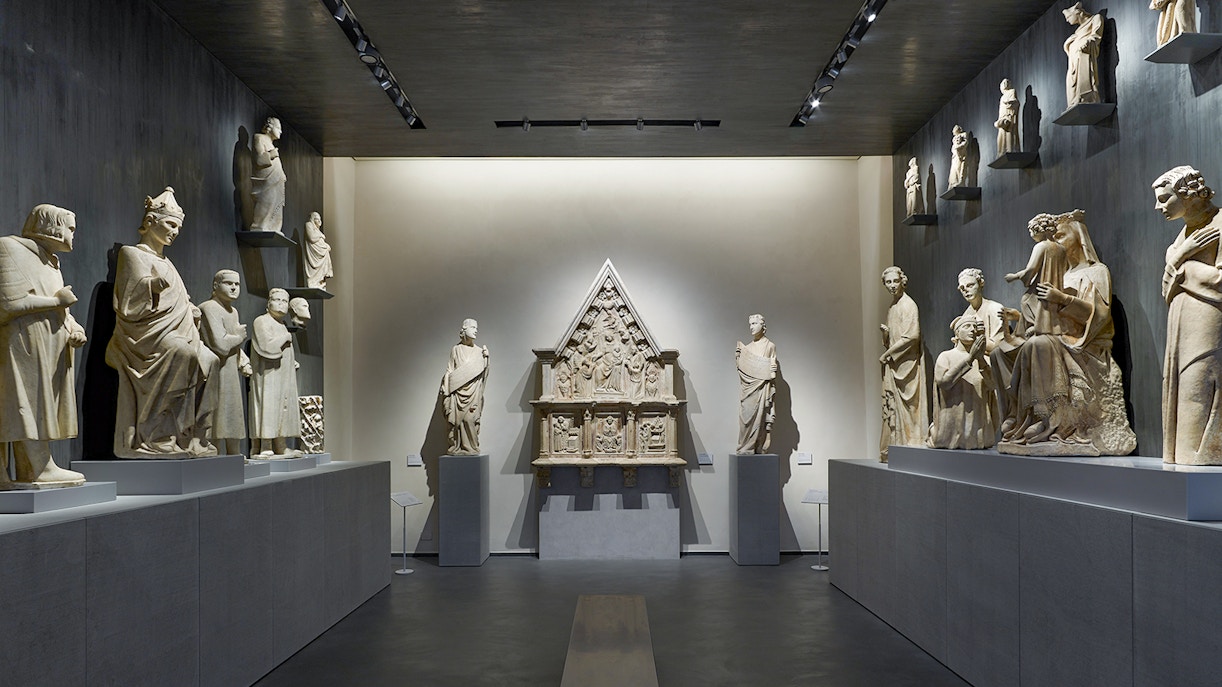
Sculptures of Nicola and Giovanni Pisano

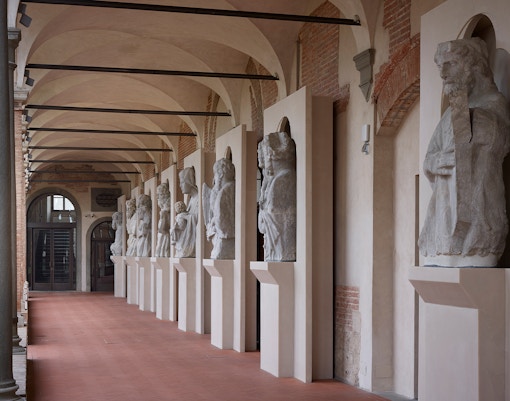
Explore the preserved statues from the Cathedral’s original façade, sculpted by father-son duo Nicola and Giovanni Pisano, considered revolutionary in the Gothic period.

The Griffin and Islamic artefacts

Marvel at the original bronze Griffin, an 11th-century Islamic piece from Al-Andalus that once topped the Cathedral—proof of Pisa’s powerful maritime trade links.

Medieval wooden choir stalls

Admire intricately carved choir stalls from the Cathedral’s interior, offering a glimpse into craftsmanship of the 14th century.
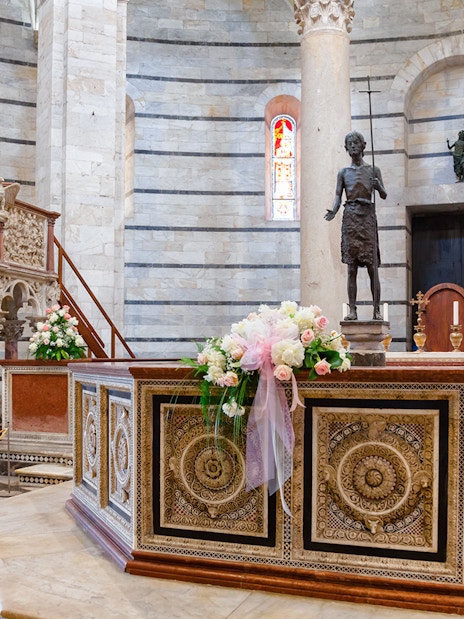
Silver altar and sacred relics

See the ornate silver altar of St. Rainerius and rare religious relics, once central to the Cathedral’s sacred ceremonies.

Manuscripts and music

Visit the archive room filled with ancient codices, liturgical texts, and Gregorian chant manuscripts used in Pisa’s medieval liturgies.

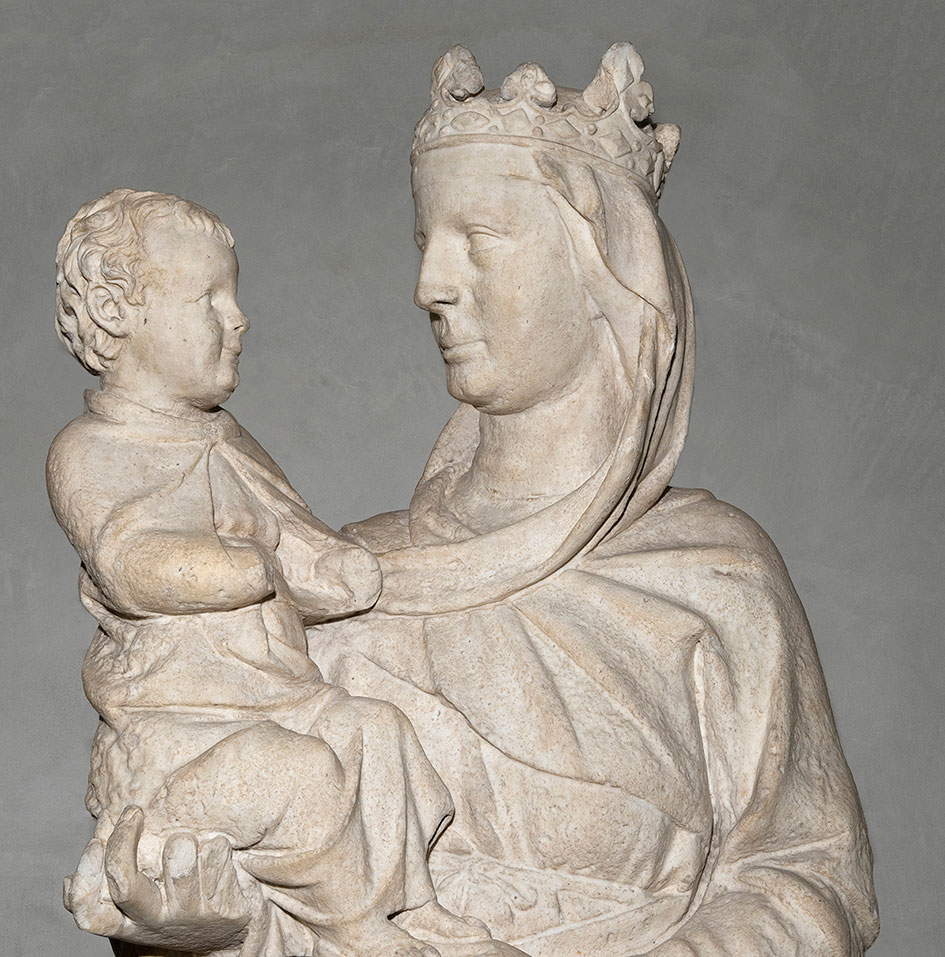
 Madonna and Child by Giovanni Pisano
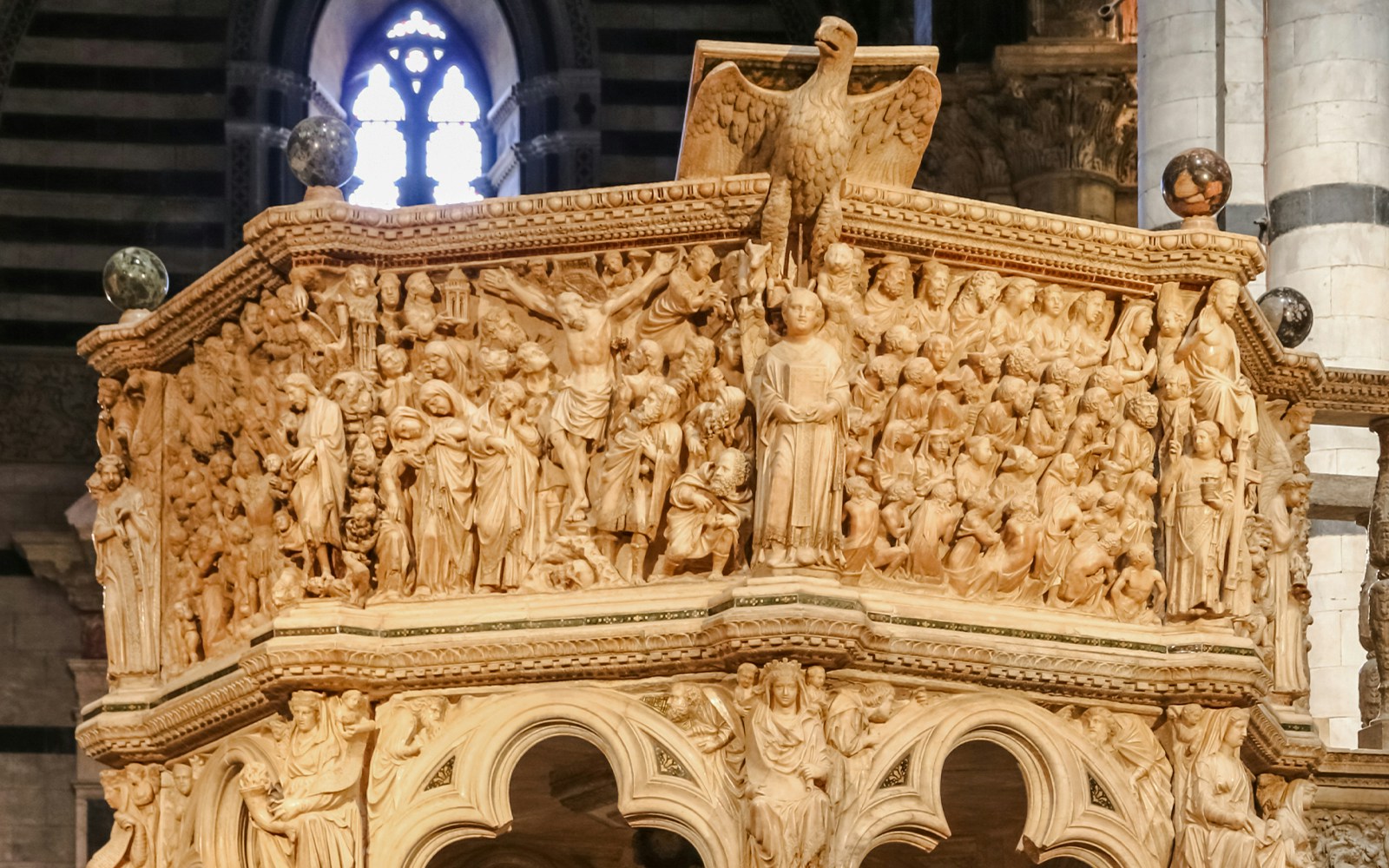
Relief panels on Nicola Pisano’s Pulpit depicting biblical scenes, Pisa Cathedral.
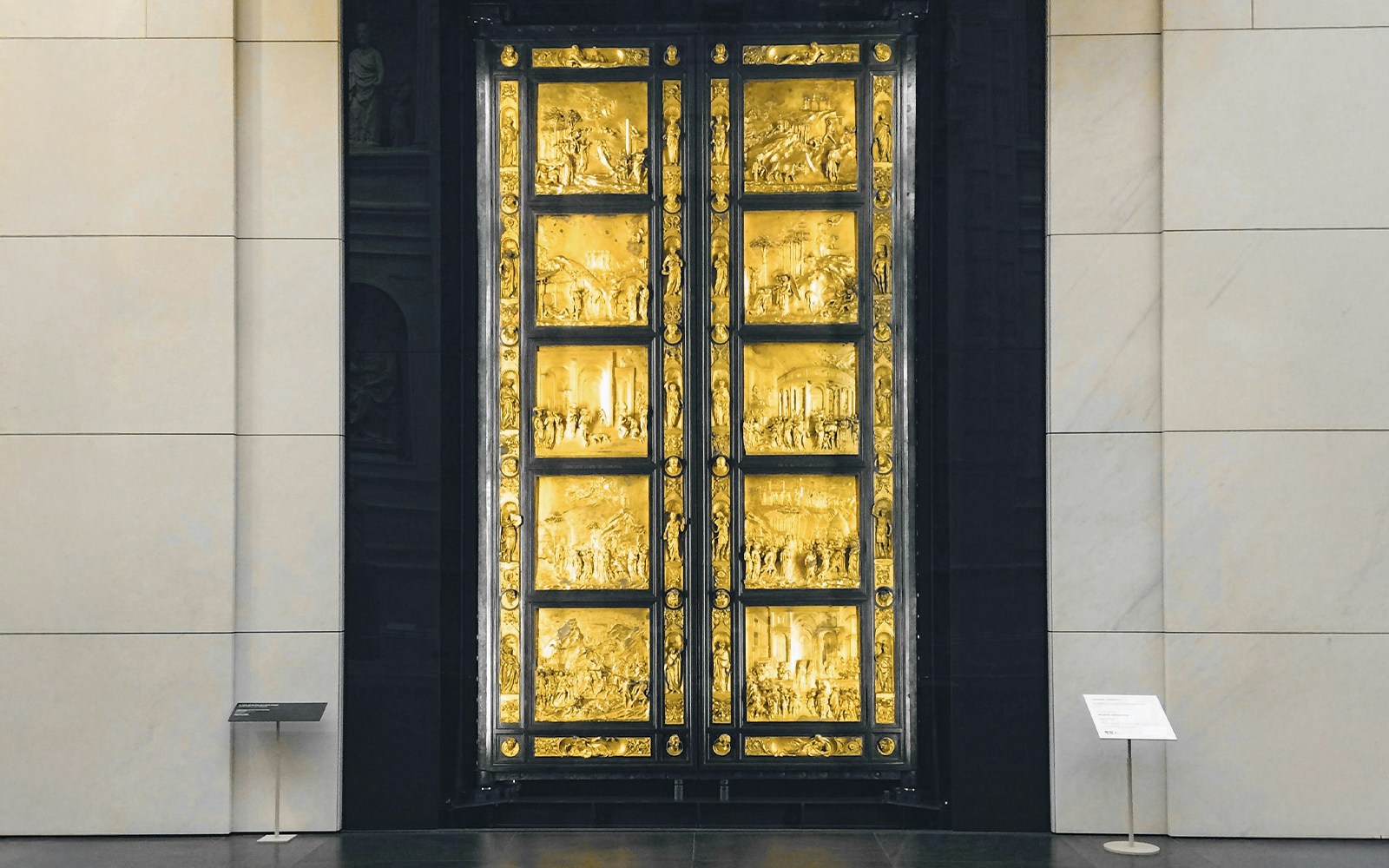
Bronze door with intricate panels at Opera del Duomo Museum, Florence.
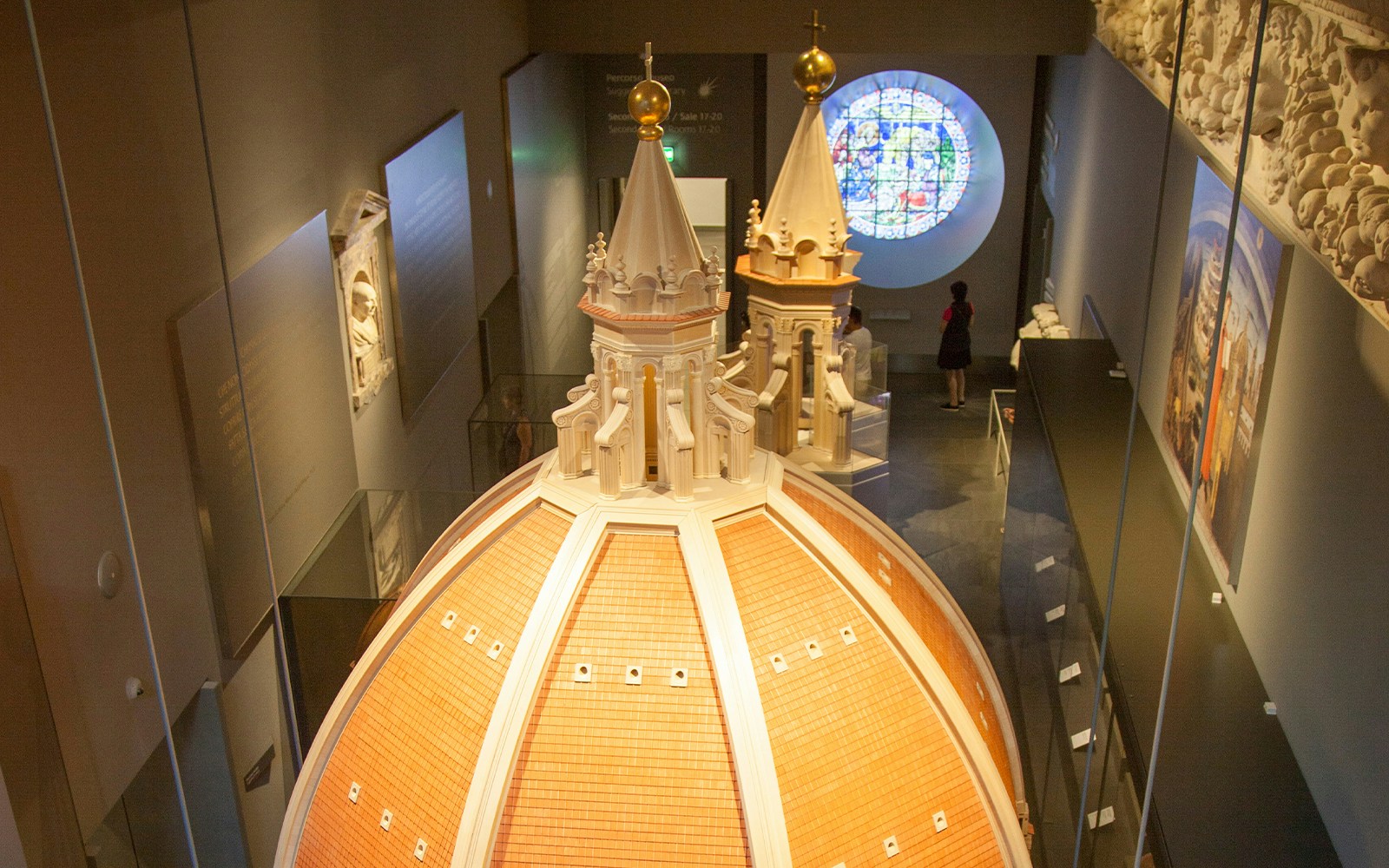
Galleria della Cupola interior at Opera del Duomo Museum, Florence, showcasing intricate dome artwork.
16th-century bust of Mary Magdalene by Giovanni Bandini
1/5

Madonna and Child by Giovanni Pisano

Originally part of the Cathedral façade, this marble Madonna and Child by Giovanni Pisano captures a tender moment between mother and child, with the Virgin slightly twisting her body and tilting her head—a rare sense of movement in Gothic sculpture.

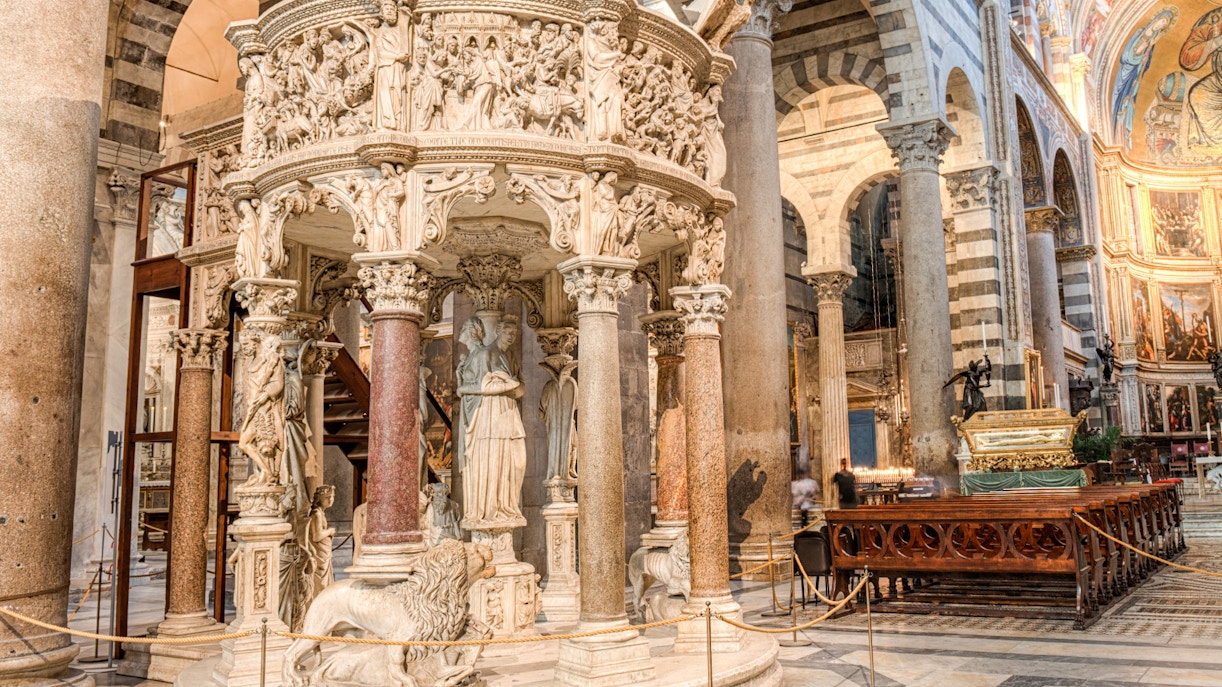
Relief panels from Nicola Pisano’s Pulpit

These finely carved panels, separated for conservation, show scenes from the New Testament with remarkable classical influence, drawing on Roman sarcophagi and pioneering Renaissance naturalism.

Bronze doors from the Cathedral

Among the oldest surviving parts of the complex, these intricately cast bronze doors feature biblical scenes and ornamental detailing, offering insight into 12th-century metallurgy and religious symbolism.

Wooden cupola

Step into the mind of a master architect with the museum’s striking wooden model of Brunelleschi’s dome. Built as a working guide during the 15th-century construction of Florence Cathedral’s iconic cupola, this scale model reveals the ingenious layering and self-supporting design that made history.
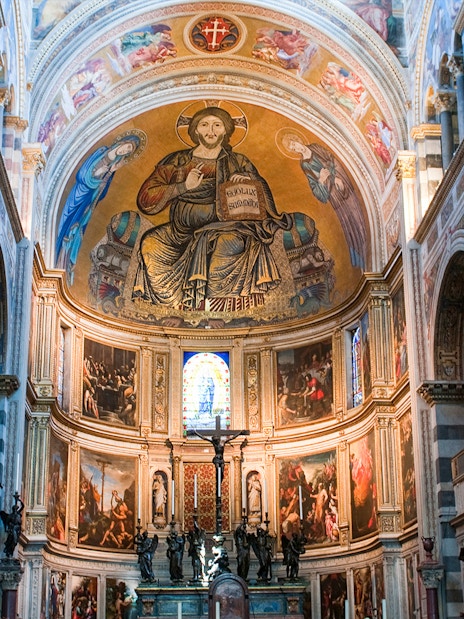
16th-century bust of Mary Magdalene by Giovanni Bandini

This moving polychrome terracotta bust, crafted around 1560 by Giovanni Bandini, portrays Mary Magdalene with a youthful, contemplative gaze and softly flowing hair—iconographic elements tied to her identity as the repentant sinner who anointed Christ’s feet. The naturalistic expression and color highlight a shift toward emotional depth in late-Renaissance religious art

Architectural highlights of the museum

Historical significance of the museum

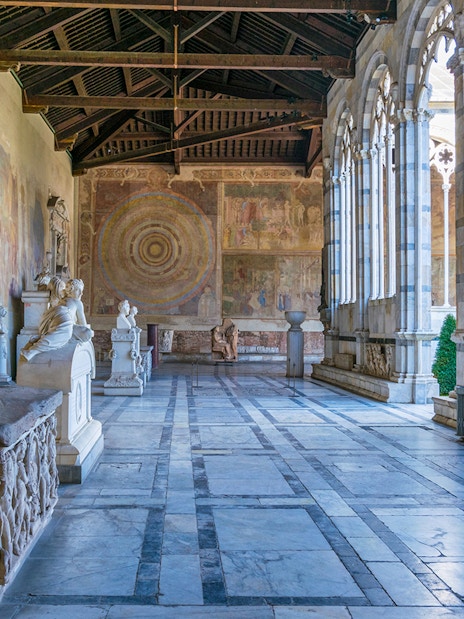
The Opera del Duomo Museum, housed in a former convent and opened in 1986, preserves the artistic legacy of Pisa’s sacred monuments. It features original sculptures by Nicola and Giovanni Pisano, frescoes from the Camposanto, and liturgical objects once used in the Cathedral and Baptistery. Many pieces were moved here to protect them from weathering, offering visitors a closer look at the craftsmanship that shaped the Square. The museum also connects Pisa’s art to wider European influences.
Notable figures of the museum

Know before you go

Frequently asked questions about Opera del Duomo Museum

Yes, but it’s recommended to book online in advance, especially during high season, to secure your preferred time slot.