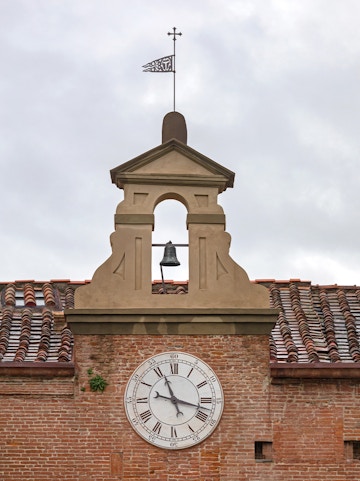
Year opened: Established in 1894 to preserve and showcase Pisa’s Cathedral heritage.
Founder: Founded by the Opera della Primaziale Pisana, the organization responsible for maintaining the Cathedral complex.
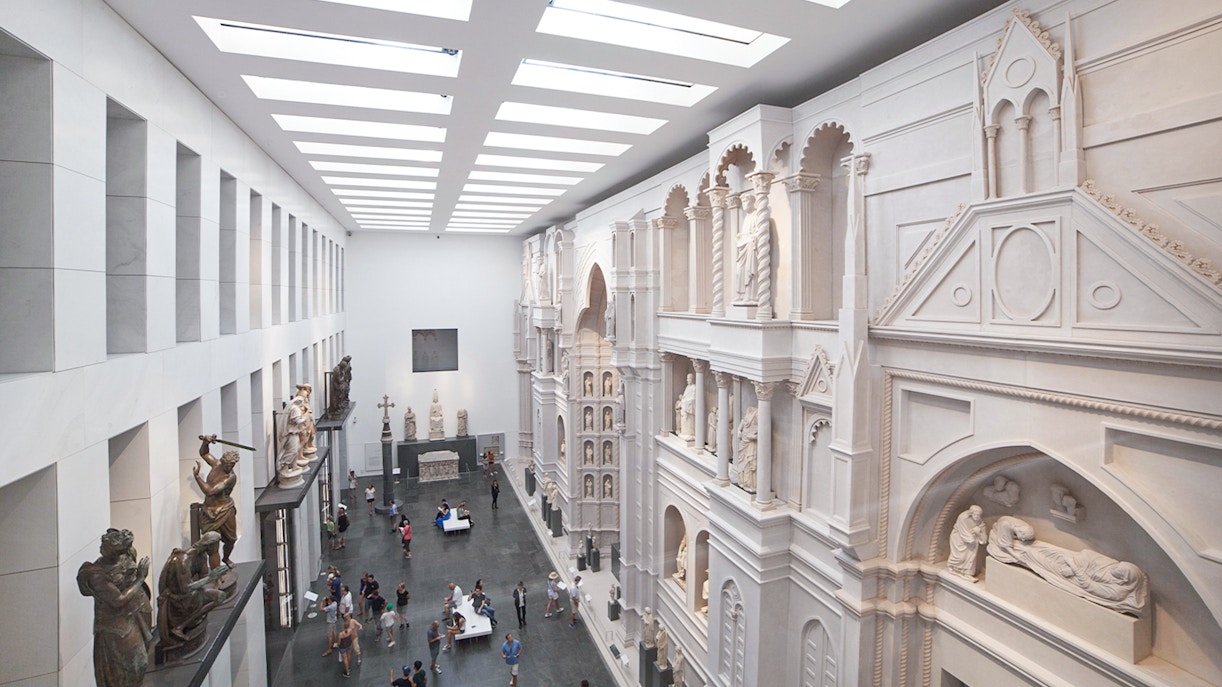
Must-see highlights: See the original sculptures from the Cathedral façade, including works by Nicola and Giovanni Pisano, medieval bronze doors, and ancient manuscripts.
Current use: The museum functions as the treasury and archival home of the Cathedral complex.
Unique facts: It holds fragments of the original marble floors of the Cathedral, some dating back to the 12th century.
Experience the best of Opera Del Duomo Museum
Crafted by Headout, a global experiences brand offering curated tours, tickets & experiences. Discover with ease, book with peace.Loved by over 56 million guests worldwide
Headout is an authorized and trusted partner of this venue
How Headout makes choosing experiences effortless
We curate the best ways to experience
We research and organise all unique experiences - from tickets to tours to special combos - so you get all the choices without the clutter.
We partner with the best
Every supplier is vetted for quality, reliability, and value so you only get top rated experiences. No surprises, no disappointments.
All the best options, in one place
Each experience is thoughtfully organised to give you maximum availability, great value and an easy way to choose.
Book with complete peace of mind
Free cancellations, Flexible payments, and 24/7 support - thoughtfully designed for flexibility, assurance, and total peace of mind.
Slide 1 of 41/4
Slide 1 of 4


See Pisa’s finest treasures at the Opera del Duomo Museum
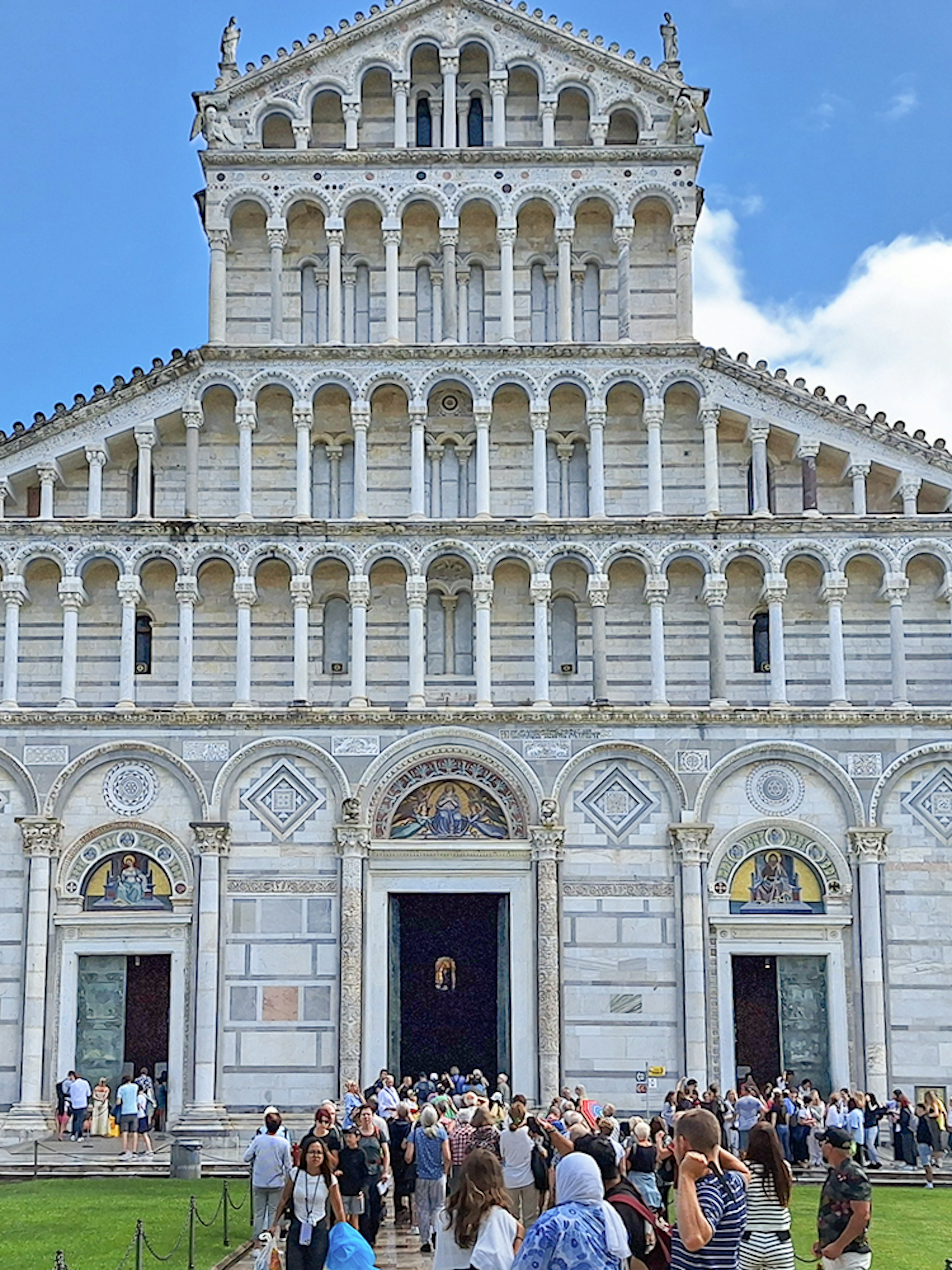
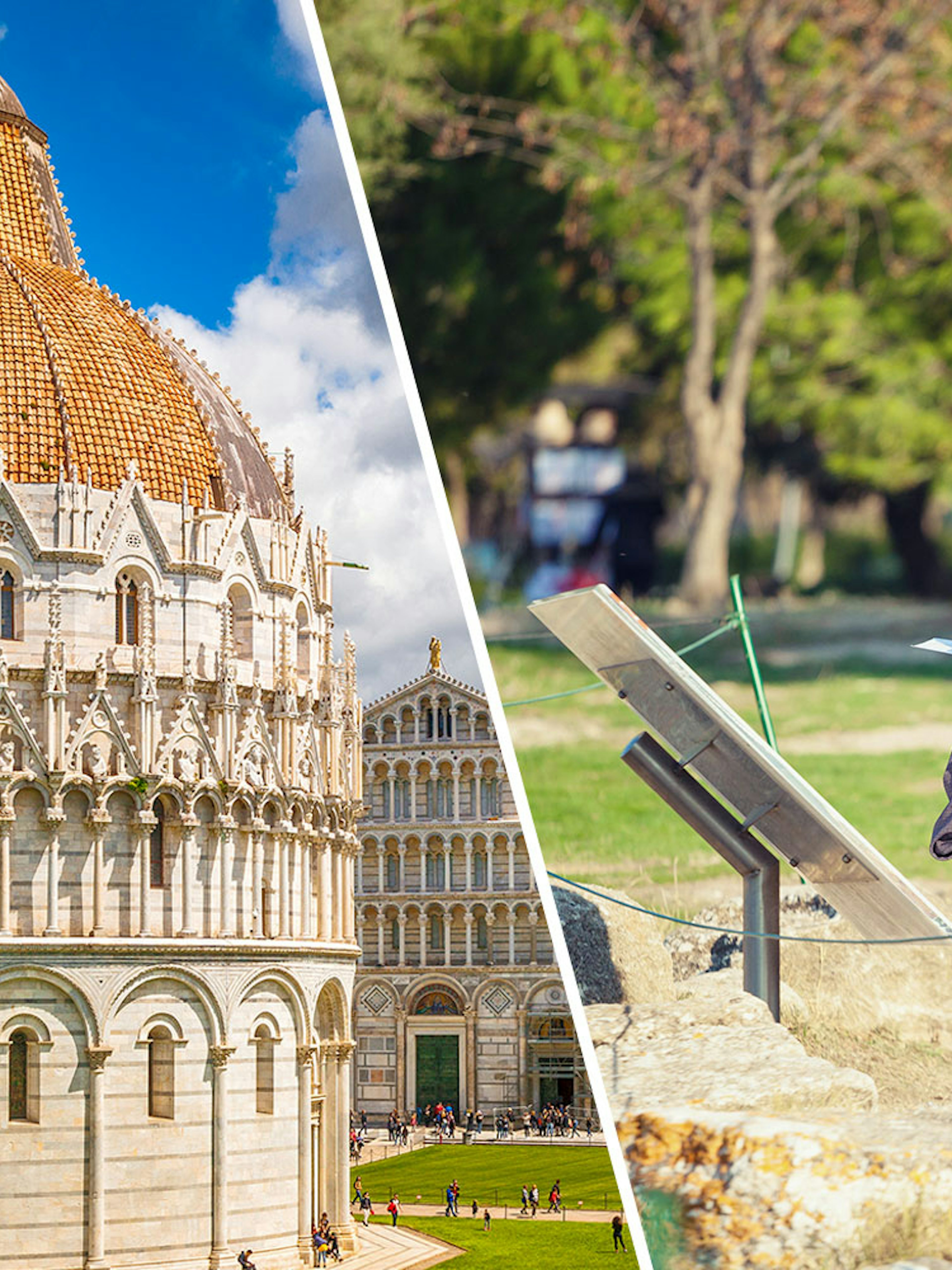
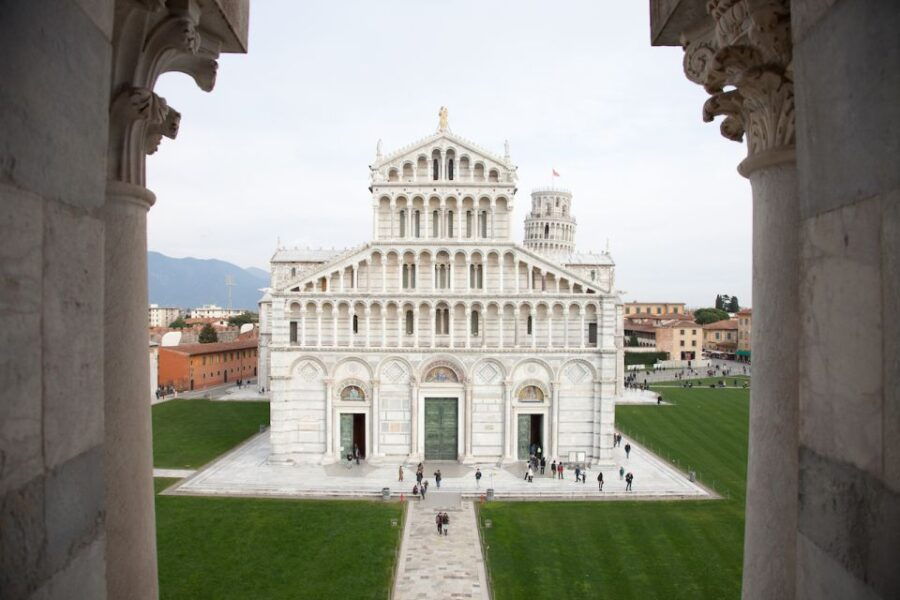
The Opera del Duomo Museum is a quiet spot just behind the Cathedral. Housed in a former convent, it displays original sculptures, frescoes, and relics from the Pisa Cathedral complex. It’s a peaceful place to explore the art and history that once filled the Square of Miracles.
How to access the museum?
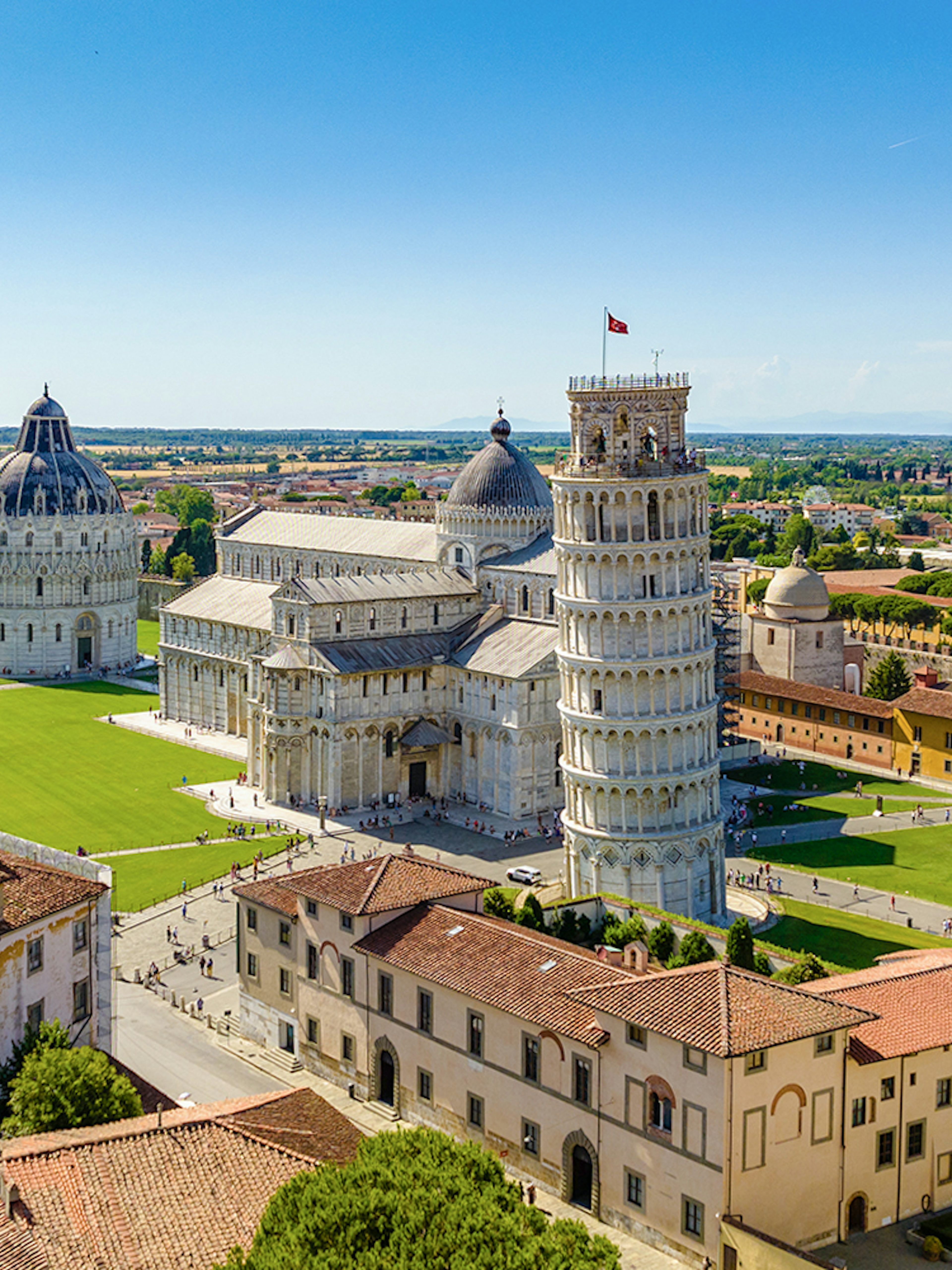
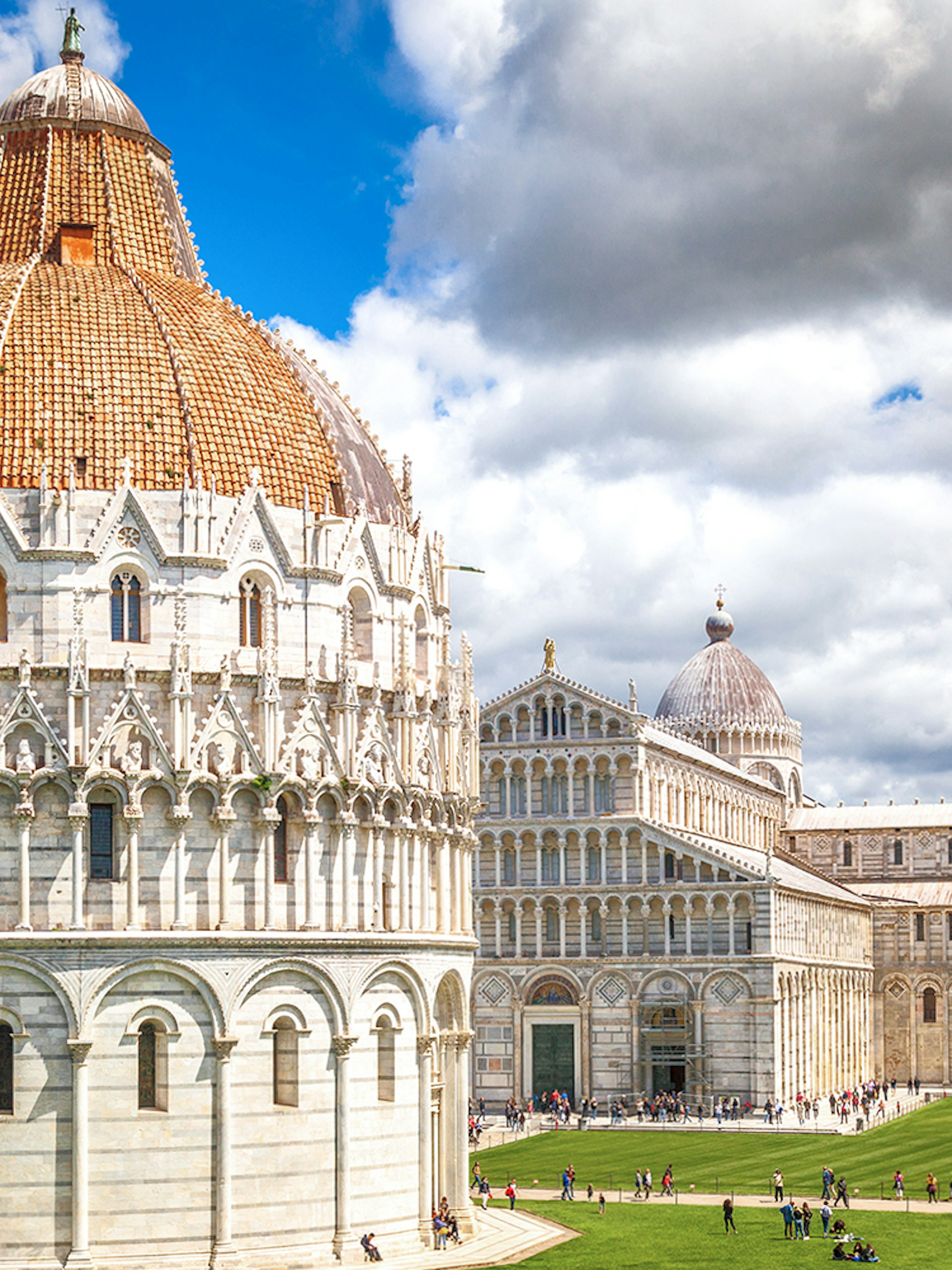
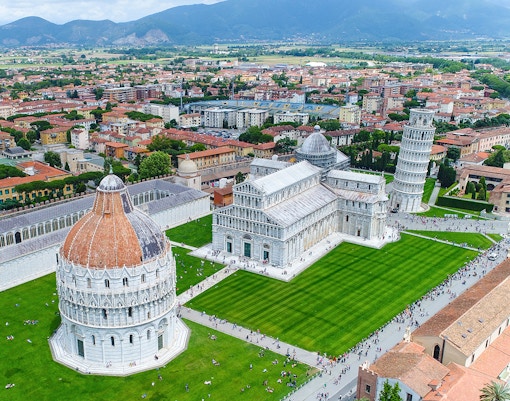
The museum is located on the southern edge of Piazza dei Miracoli, just behind the Cathedral and opposite the Camposanto.
Access to the Opera del Duomo Museum is not automatically included in all Leaning Tower of Pisa tickets; you will have to specifically purchase those tickets that offer entry to the Opera del Duomo Museum.
Things to know before booking Opera del Duomo tickets
- The standard tickets to the Opera del Duomo Museum come bundled with access to other iconic sites in the Pisa Complex, like the Leaning Tower, Cathedral, Baptistery, and Camposanto, giving you one easy ticket to explore them all at your own pace, without the need for separate bookings.
- The museum expanded in 1986 to showcase artworks beyond the Square’s monuments. With a multilingual audio guide, you’ll better navigate the new galleries and uncover how each artwork found its place here.
- The religious edifices of the Pisa Complex—the Cathedral and Baptistery—have dedicated exhibits in the museum, featuring original furnishings and busts from their facades. Alongside there are overseas artworks that shed light on the evolution of Pisan art. Upgrade your guided tour to explore the museum with a local expert who helps connect the dots, offering valuable insight into the significance of these pieces and how they collectively shape Pisa’s artistic legacy.
- Built to house treasures from the Square’s sacred buildings, the museum holds the artistic thread that ties them together. A small group guided walking tour of the Pisa Complex lets you appreciate it from outside and understand the museum’s deeper significance in context to the grand sites surrounding it, all in a crowd-free setting with no more than 15 guests.
- During the winter months (October to March), the Opera del Duomo Museum's operating hours vary slightly from the Tower's. It is open daily from 9am to 6pm, with the last admission at 5:30pm. Please note that hours may vary on Sundays and religious holidays. It's advisable to check the official schedule before your visit, especially in winter when times may change.
- The museum is generally accessible, though some areas have uneven floors due to the historic nature of the building.
- Entry is free for children under 11, and there's typically little to no wait time compared to the Tower.
Opera del Duomo Museum in a nutshell
Your Opera del Duomo Museum ticket types explained
Entry to Opera del Duomo Museum is not always included with all valid admission tickets to the Leaning Tower of Pisa. Here's a breakdown of the ticketing options available for you:
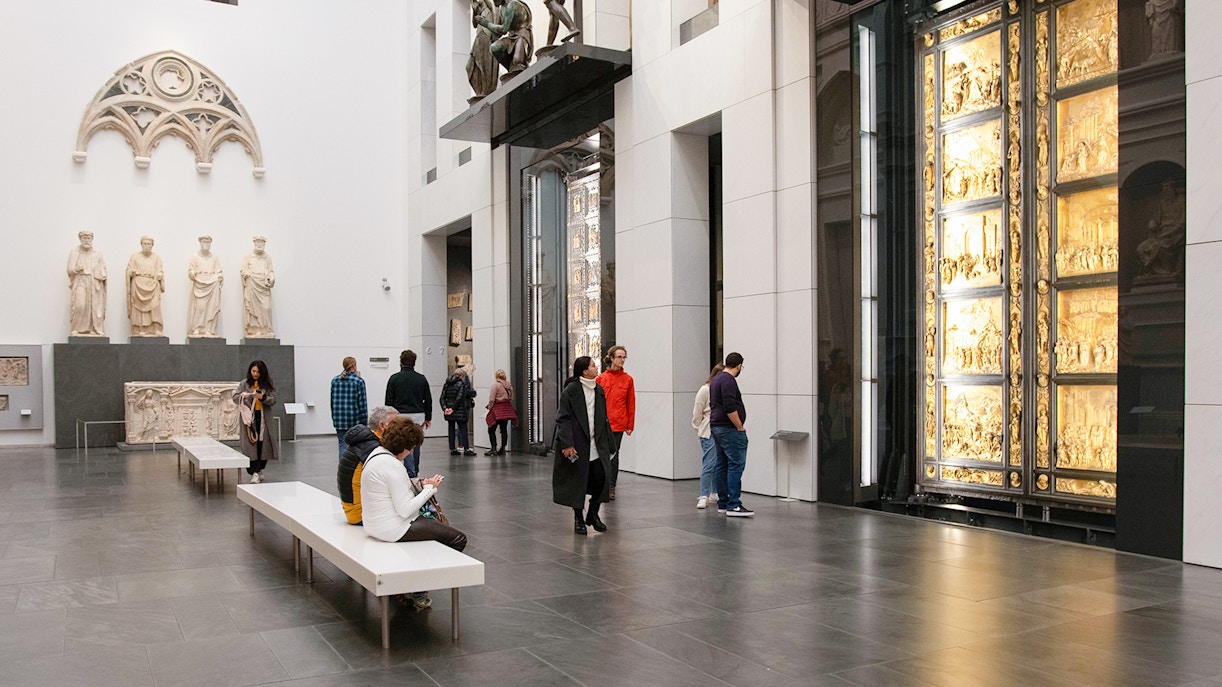
What's to see inside the museum
1/5
Sculptures of Nicola and Giovanni Pisano
Explore the preserved statues from the Cathedral’s original façade, sculpted by father-son duo Nicola and Giovanni Pisano, considered revolutionary in the Gothic period.
The Griffin and Islamic artefacts
Marvel at the original bronze Griffin, an 11th-century Islamic piece from Al-Andalus that once topped the Cathedral—proof of Pisa’s powerful maritime trade links.
Medieval wooden choir stalls
Admire intricately carved choir stalls from the Cathedral’s interior, offering a glimpse into craftsmanship of the 14th century.
Silver altar and sacred relics
See the ornate silver altar of St. Rainerius and rare religious relics, once central to the Cathedral’s sacred ceremonies.
Manuscripts and music
Visit the archive room filled with ancient codices, liturgical texts, and Gregorian chant manuscripts used in Pisa’s medieval liturgies.
Popular artworks in the museum
1/5
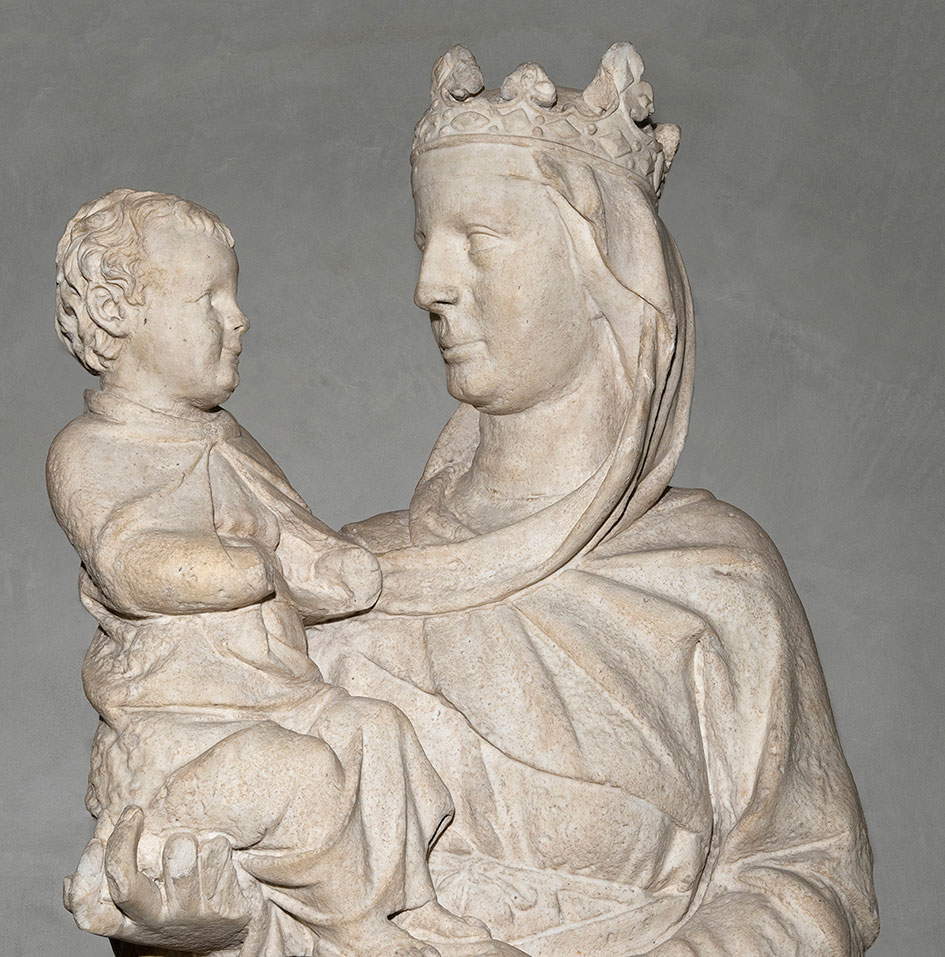
Madonna and Child by Giovanni Pisano
Originally part of the Cathedral façade, this marble Madonna and Child by Giovanni Pisano captures a tender moment between mother and child, with the Virgin slightly twisting her body and tilting her head—a rare sense of movement in Gothic sculpture.
Relief panels from Nicola Pisano’s Pulpit
These finely carved panels, separated for conservation, show scenes from the New Testament with remarkable classical influence, drawing on Roman sarcophagi and pioneering Renaissance naturalism.
Bronze doors from the Cathedral
Among the oldest surviving parts of the complex, these intricately cast bronze doors feature biblical scenes and ornamental detailing, offering insight into 12th-century metallurgy and religious symbolism.
Wooden cupola
Step into the mind of a master architect with the museum’s striking wooden model of Brunelleschi’s dome. Built as a working guide during the 15th-century construction of Florence Cathedral’s iconic cupola, this scale model reveals the ingenious layering and self-supporting design that made history.
16th-century bust of Mary Magdalene by Giovanni Bandini
This moving polychrome terracotta bust, crafted around 1560 by Giovanni Bandini, portrays Mary Magdalene with a youthful, contemplative gaze and softly flowing hair—iconographic elements tied to her identity as the repentant sinner who anointed Christ’s feet. The naturalistic expression and color highlight a shift toward emotional depth in late-Renaissance religious art
Architectural highlights of the museum
Gothic facade and stonework
The museum’s exterior showcases characteristic Pisan Gothic style stonework with pointed arches, mullioned windows, and delicate tracery that blend medieval design with Renaissance influences. The use of local marble and limestone contributes to its striking visual impact.
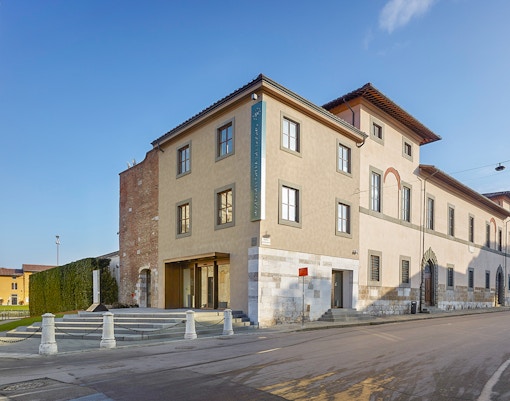
Historical structure
The Opera del Duomo Museum is in the former Palazzo dell’Opera, a 14th-century building originally constructed as the seat for the Cathedral’s governing body. The structure itself reflects Gothic architectural elements typical of medieval Pisa.
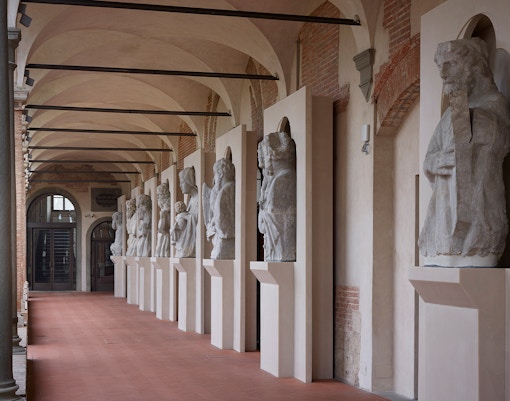
Cloister courtyard
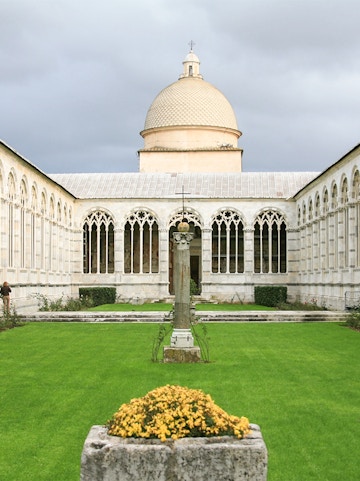
At the heart of the museum is a peaceful cloister, completed in the 13th century. Today, it offers a quiet open-air space and a direct view of the Leaning Tower—a rare blend of architecture and backdrop.

Proximity and connection to Pisa Cathedral Complex
The museum’s location and structural connection to the Cathedral, Baptistery, and Camposanto demonstrate the integrated design approach typical of medieval cathedral complexes, where the governance, religious function, and artistic display were physically and symbolically linked.
Historical significance of the museum
The Opera del Duomo Museum, housed in a former convent and opened in 1986, preserves the artistic legacy of Pisa’s sacred monuments. It features original sculptures by Nicola and Giovanni Pisano, frescoes from the Camposanto, and liturgical objects once used in the Cathedral and Baptistery. Many pieces were moved here to protect them from weathering, offering visitors a closer look at the craftsmanship that shaped the Square. The museum also connects Pisa’s art to wider European influences.
Notable figures of the museum
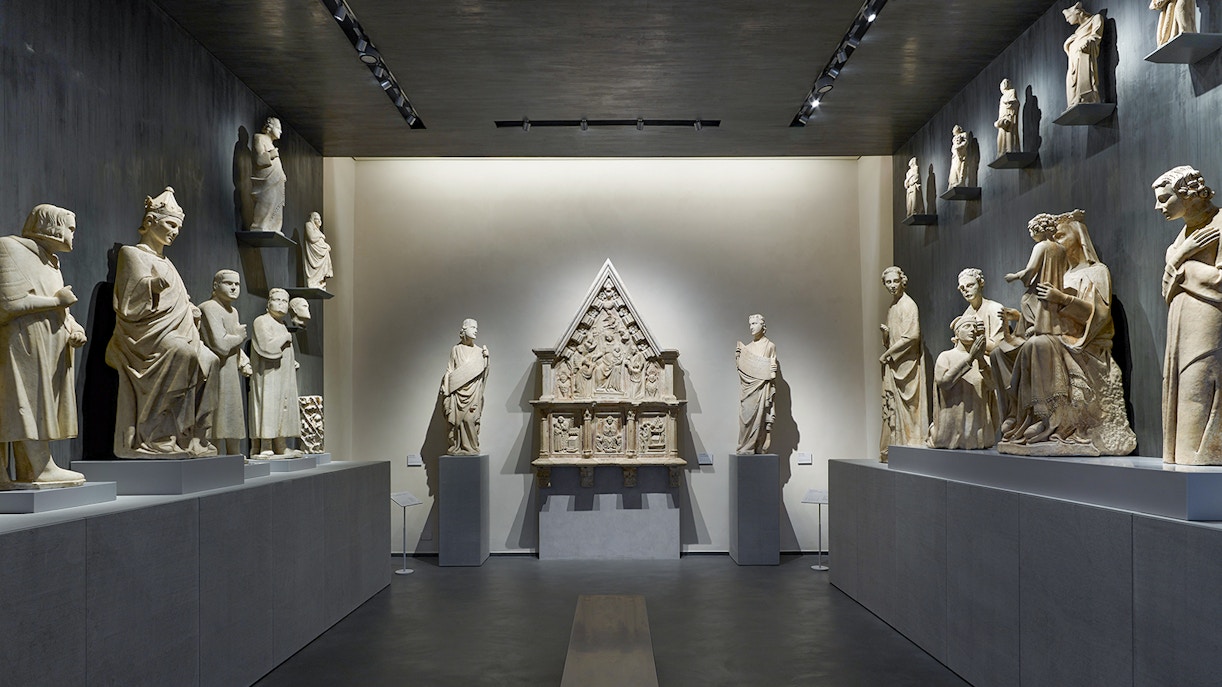
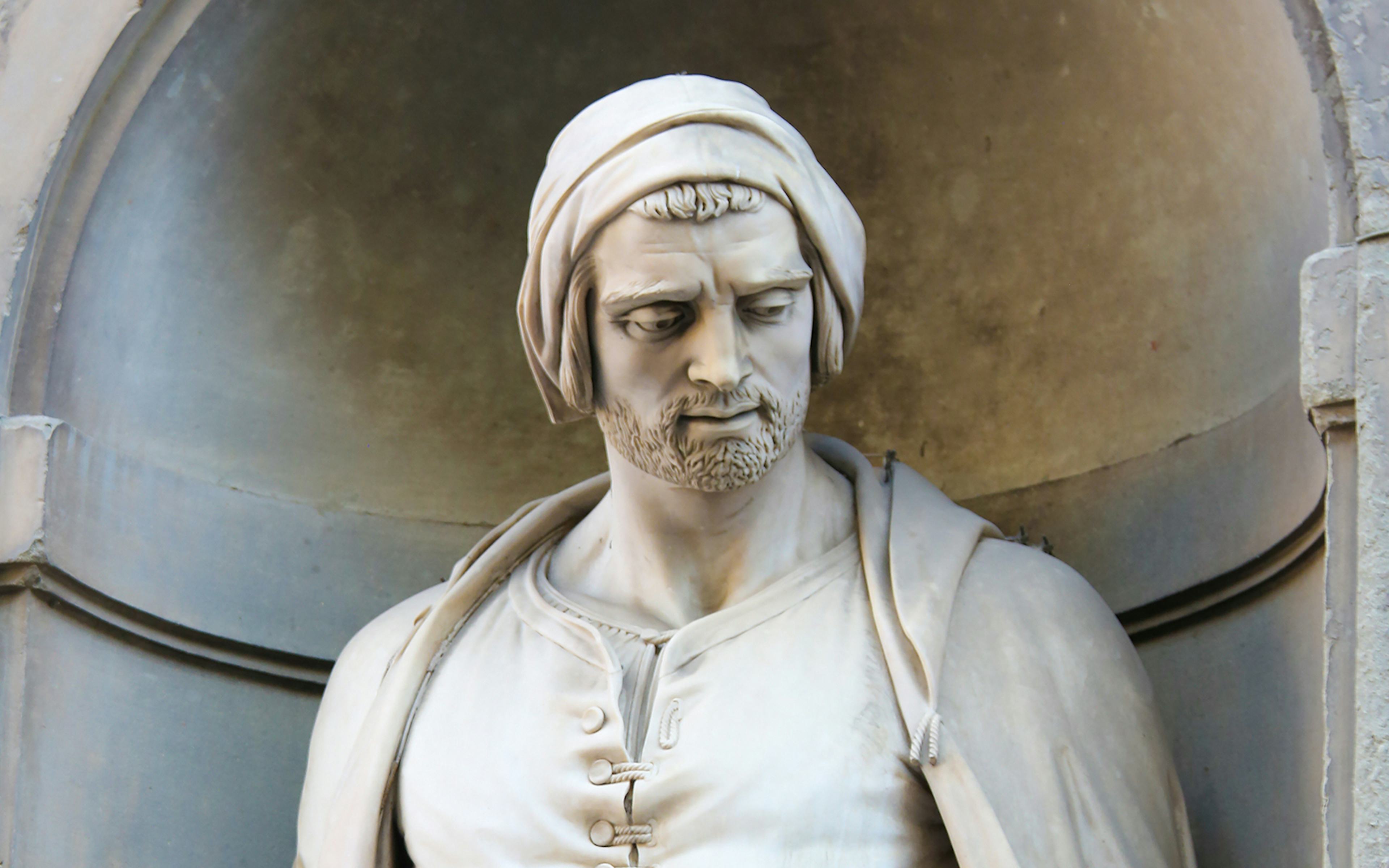
Giovanni Pisano
A master sculptor and architect, Giovanni Pisano is one of the most important figures represented in the museum. His original sculptures from the Pisa Cathedral façade, including expressive statues of prophets, saints, and allegorical figures, are preserved here. His dynamic Gothic style marked a turning point in Italian sculpture.
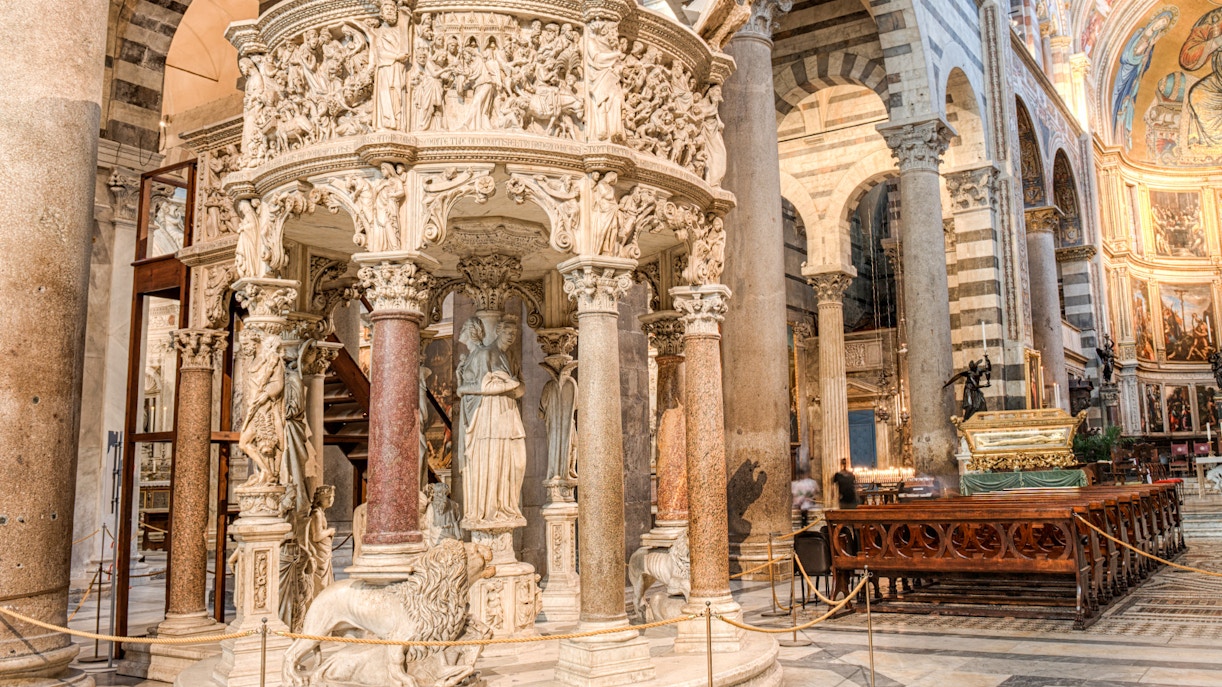
Nicola Pisano
Father of Giovanni, Nicola Pisano is celebrated for the Pulpit of the Baptistry, considered a cornerstone of Renaissance sculpture. While the pulpit remains in the Baptistery, related models and elements are displayed in the museum. His blend of classical Roman and Gothic influences shaped future generations.
Know before you go
Opening hours
- Summer (April to September): 9am to 8pm (Last entry: 7:30pm)
- Winter (October to March): 9am to 6pm (Last entry: 5:30pm)
Note: Hours may vary on Sundays and religious holidays.
Address: Piazza del Duomo, 56126 Pisa PI, Italy
Getting There
By train: From Pisa Centrale Station, it’s about a 20-minute walk to the Opera del Duomo Museum, located within the Piazza dei Miracoli complex, near the Cathedral and Leaning Tower.
By bus: Line LAM Rossa (Red Line), closest stopTorre 1, approximately a 4-minute walk from the museum entrance.
By car: Park at the Piazza dei Miracoli parking lot or Via Pietrasantina Park & Ride. Both are roughly a 10–15-minute walk from the museum.

- The museum is wheelchair accessible. An accessible entrance is available, and most exhibit areas are located on the ground floor or are reachable via ramps or lifts.
- Assistance available: Visitors with limited mobility can request support at the entrance or contact staff in advance for assistance.
- Accessible restrooms designed for wheelchair users are available on both the floors of the museum.
- Service animals are permitted for visitors with disabilities.
- Photography is allowed, but flash and tripods are strictly prohibited to protect the artworks.
- Eating and drinking are not permitted inside the museum.
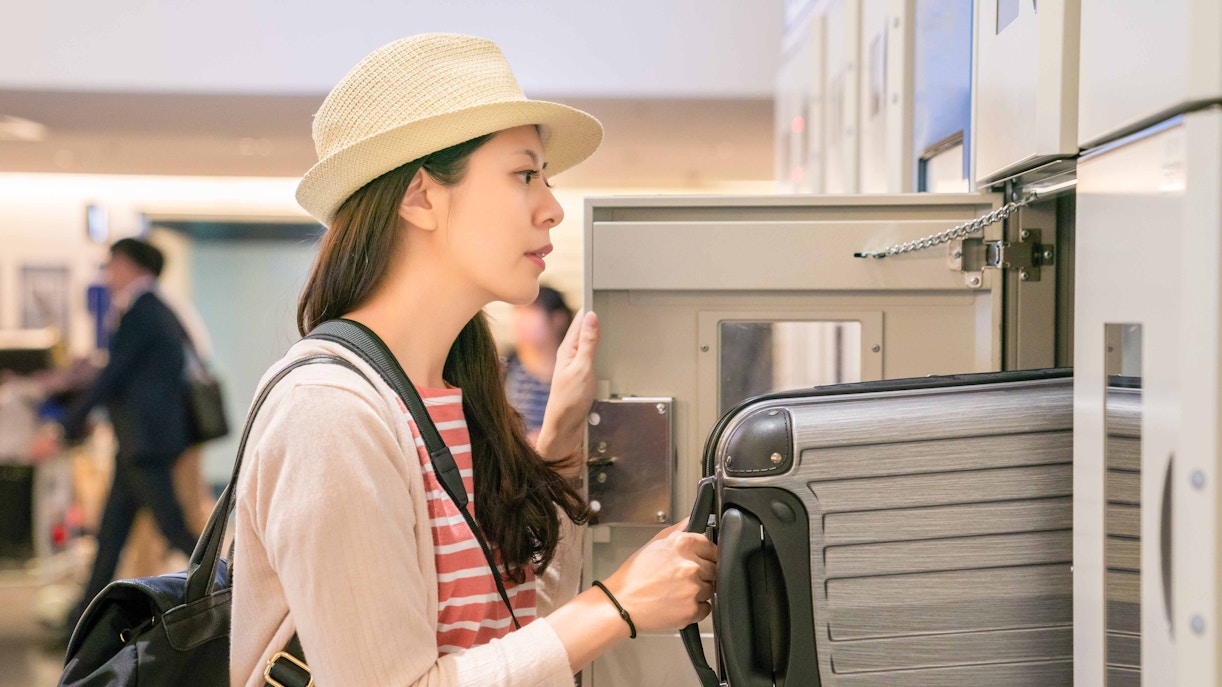
- Backpacks and large luggage must be checked in at the cloakroom or stored in designated lockers.
- Pets arenot allowed inside, except for service animals.
Frequently asked questions about Opera del Duomo Museum
Yes, but it’s recommended to book online in advance, especially during high season, to secure your preferred time slot.
No, once you exit, re-entry is not allowed unless otherwise stated on your ticket.
Most visitors spend about 45 minutes to 1 hour inside, depending on interest level and whether you're using a guide or audio tour.
Yes, especially if you're interested in art, sculpture, or medieval history. A guide can offer detailed context on masterpieces like Giovanni Pisano’s original cathedral sculptures, Tino di Camaino’s funerary art, and the architectural fragments that once adorned the façade.
Yes, while it’s a quiet space, older children and teens interested in history and art may find it engaging.
There is no cafe inside the museum, but seating areas are available for resting.