A near wonder marvel: Facts about the Leaning Tower
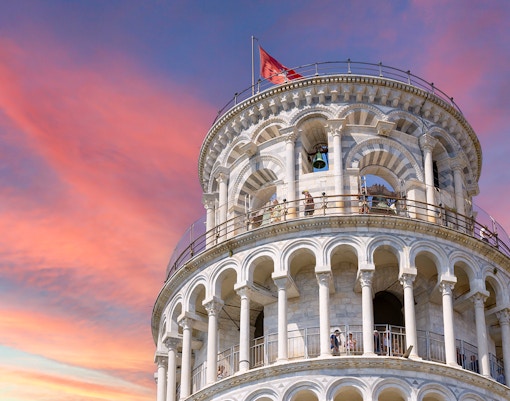
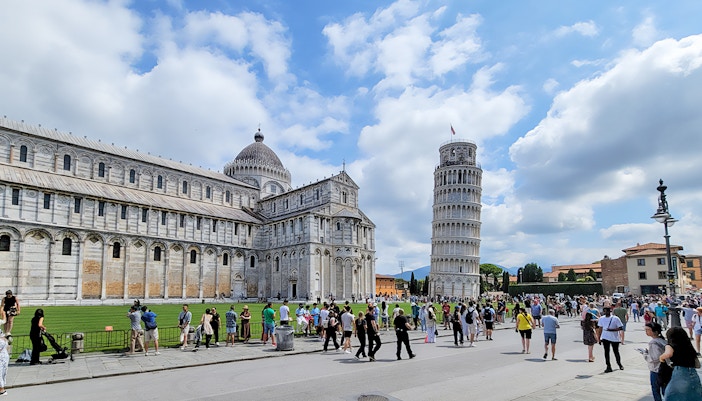
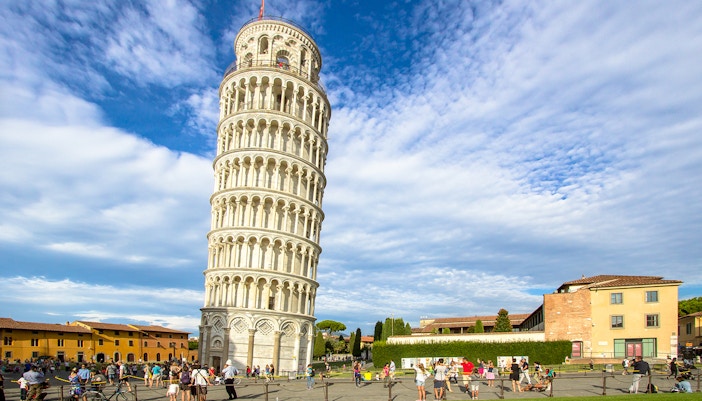
The Leaning Tower of Pisa is one of the world’s most recognizable landmarks. Though it narrowly missed being one of the original Seven Wonders, its tilt and medieval design have secured it a spot on many modern “wonders” lists. Here are some fascinating facts behind this enduring marvel.
8 amazing facts about Leaning Tower of Pisa
Lean in, listen up & climb smarter
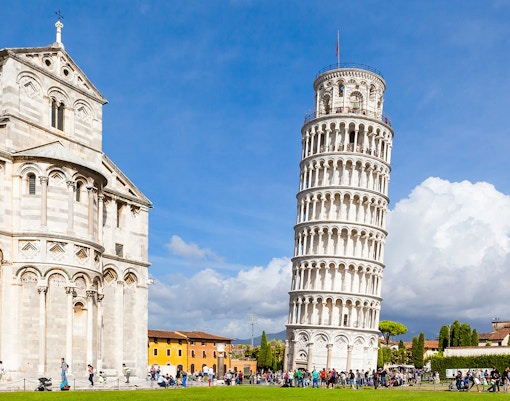
You’ve uncovered some of its secrets, but the real story comes alive with the audio guide; without it, it’s just another bell tower. Skip long queues, enter at your chosen slot, and hear local myths unfold as you climb for a truly meaningful ascent.
More reads
1. Built on marshy land
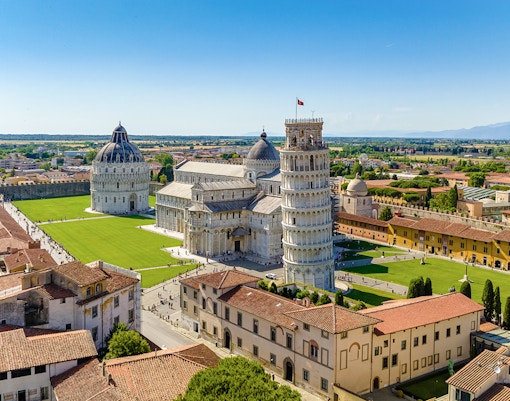
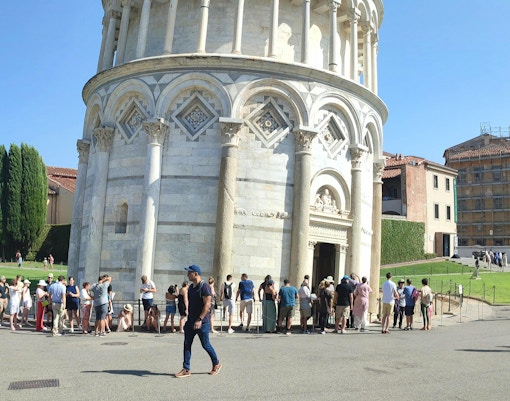
Pisa means “marshy land”, and true to its name, the tower was built on soft clay soil with shallow foundations. This poor planning is exactly what led to its famous tilt after only the second floor was completed.
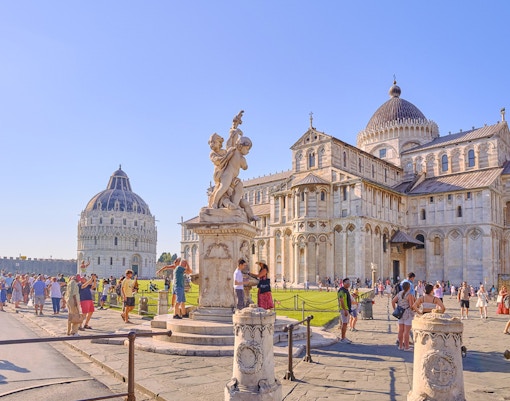
It’s not just the tower, other buildings in the square are also sinking. Even the cemetery, laid with sacred soil from Jerusalem, hasn’t escaped the effects of Pisa’s unstable ground.
4. It once leaned the other way
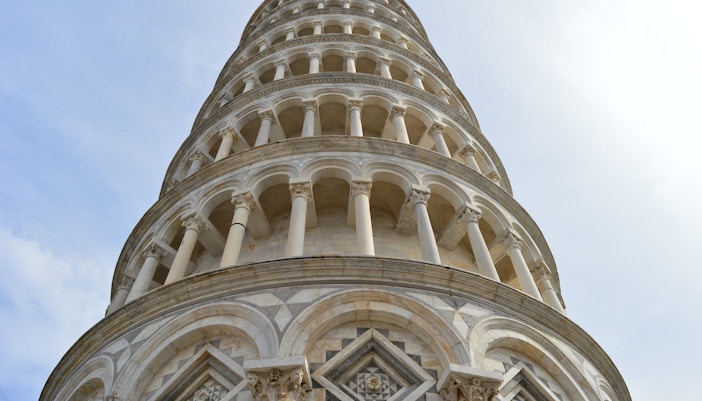
During construction, the tower’s center of gravity shifted. After leaning north during the third floor, later floors pulled it back south to its current tilt. It’s not just leaning; it once leaned twice.
5. Mussolini made it worse
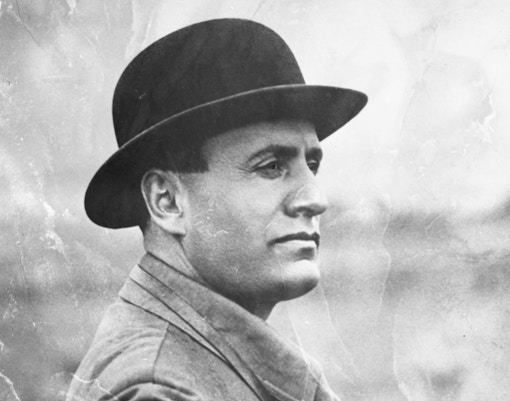
In 1934, Mussolini, ashamed of the tilt, ordered engineers to drill holes in the base and inject concrete to straighten it. Ironically, the effort only increased the tilt, making it worse than before.
6. Used as a Nazi observation post
During World War II, German soldiers used the Tower as a lookout. When Allied troops saw its beauty, they spared it from destruction.
7. It may start tilting again
The fix isn’t forever. If left untouched, the tower may begin tilting again by the 23rd century. For now, it’s safe, but future generations may need another rescue mission.
8. Pisa has other leaning towers
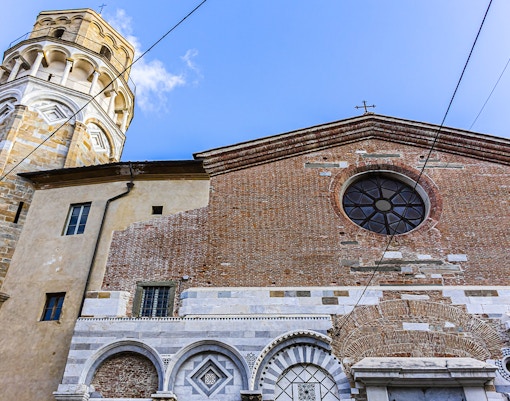
Pisa’s ground is so soft, other towers lean too! The bell towers of San Nicola and St. Michele dei Scalzi both show visible tilts—making Pisa the unofficial capital of unintentional architecture.