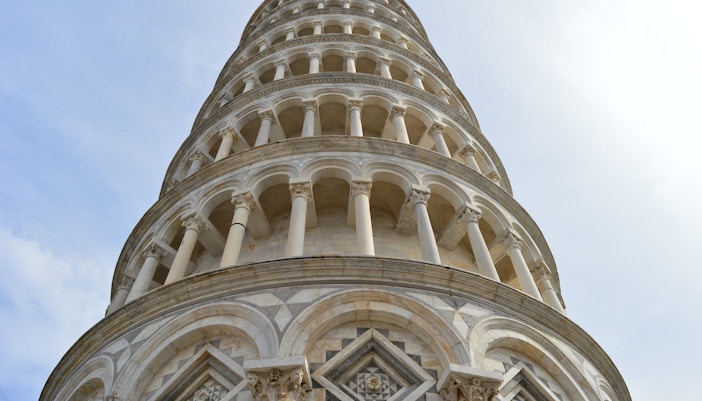
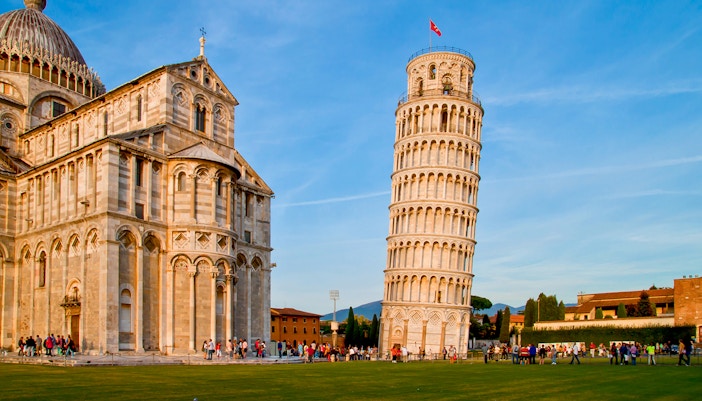
Construction began in 1173 but paused when the structure tilted after just three stories. Engineers resumed decades later, building upper levels with one side taller than the other to correct the lean.
Leaning Tower of Pisa History | Evolution & turning points
Just 58 meters tall and tilting more than 4 degrees, the Leaning Tower of Pisa wasn’t meant to be a marvel — it became one by accident. What began in 1173 as a simple bell tower turned into an 850-year saga of engineering miscalculations, interrupted wars, and remarkable survival. Today, its tilt tells the story of medieval ambition, stubborn soil, and centuries of resilience.
Leaning Tower of Pisa timeline
- 1173: Construction begins
Commissioned as Pisa Cathedral’s bell tower — built on unstable ground. - 1178: The lean begins
Soft subsoil causes a visible tilt just five years in. - 1372: Tower completed
After long pauses, final level and bell chamber are finished. - 1838: Base partially excavated
Ground removed to reveal the base; tilt worsens. - 1990: Closed for safety
Declared unstable; major stabilization efforts launched. - 2001:* Reopens to the public*
Tilt reduced; visitors return to climb its iconic spiral. - Today: A symbol of resilience
Now stable and welcoming over a million visitors each year.
Leaning Tower's history explained
Construction and architecture of the tower
The tower today – Why it matters
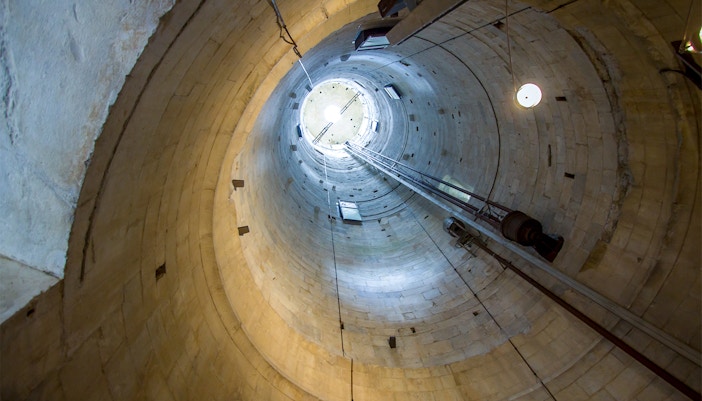
The Leaning Tower of Pisa is no longer just a bell tower or a happy accident — it’s a global icon. Visitors don’t just see it; they experience it. Climbing its tilted spiral staircase, feeling gravity shift beneath your feet, and gazing out over Pisa makes it more than a monument — it’s a phenomenon. Tourists from around the world have turned it into a cultural symbol of wonder, persistence, and the unexpected beauty of imperfection.
850 years of mystery, one tour to unravel it
The tilt is just the beginning. Explore how a flawed bell tower sparked centuries of obsession — guided tours uncover the history, myths, and science behind its lasting allure.
Frequently asked questions about the history of the Leaning Tower of Pisa
The tower is central to Pisa’s medieval past as a maritime republic. It reflects the city’s religious and civic ambitions and is part of the Piazza dei Miracoli, a symbol of Pisa’s golden age.
As the bell tower for Pisa Cathedral, it marked religious services and celebrations for centuries. Its placement and function were integral to the sacred layout of the Cathedral complex.
Yes — including that Mussolini once tried to "fix" the tilt (and failed), and that American troops nearly destroyed it in WWII but were stopped by a photographer who was awestruck by its beauty.
It was designed as the freestanding bell tower for the Pisa Cathedral, symbolizing the city's wealth and religious devotion in the 12th century.
Work was halted several times due to regional wars, funding issues, and attempts to solve the tilt. Ironically, these pauses allowed the soil to settle and likely prevented collapse.
The tower leans because it was built on soft, unstable subsoil that couldn’t support its weight evenly.